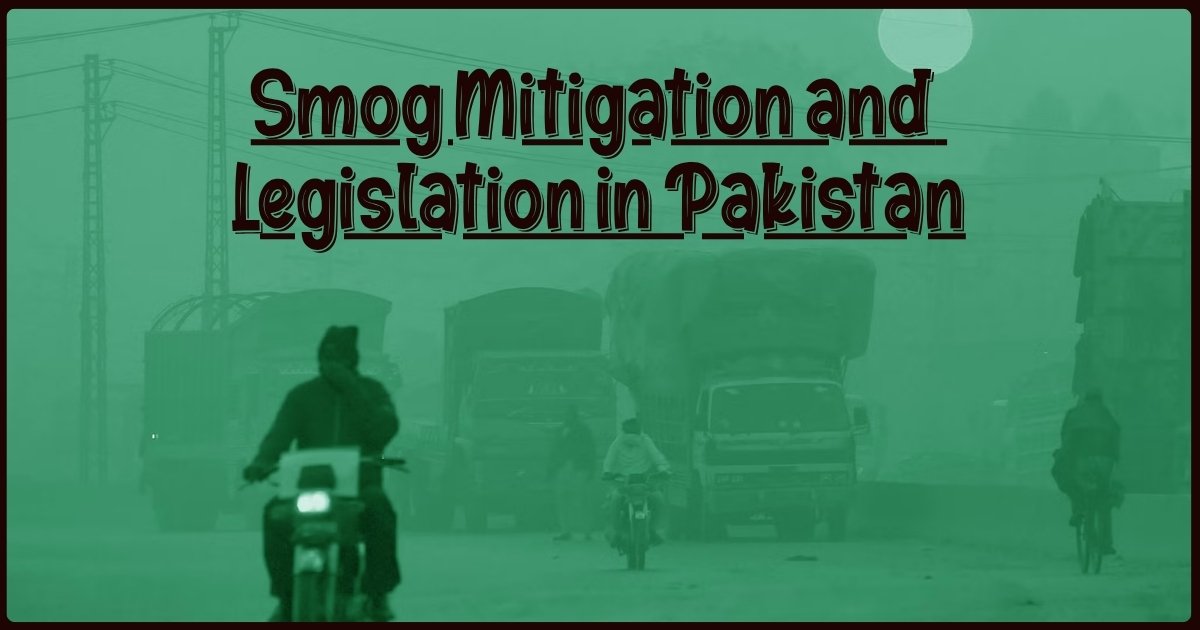
Smog has become a rapidly growing environmental and public health problem in Pakistan, especially in Punjab. Agricultural residue burning, industrial smoke, traffic emissions, and changing weather patterns exacerbate the crisis.
The government has stepped up efforts to control air pollution through the Smog Policy 2017, smog mitigation strategies, and various legal measures. Punjab province, with a population estimated at over 130 million by 2025, accounting for about 53% of the national population and contributing 54% to the national GDP, is at the forefront of combating air pollution and smog.
Proactive legislation such as the Smog Prevention and Control Rules 2023 and practical measures, such as smog mitigation plans, enforcement, fines, and public awareness campaigns, are significant steps toward addressing the root causes of the problem. These policies aim to reduce pollution in cities, reduce health risks, and create a strong framework for a sustainable environment.
What is Smog?
Smog is a specific type of air pollution that is caused by a combination of industrial smoke, vehicle emissions, and natural factors such as weather patterns. It forms a thick, toxic haze that reduces visibility in cities and rural areas and can negatively impact human health, the environment, and the economy.
Smog mitigation, smog awareness, and smog mitigation strategies are essential steps to address this problem. Types of smog include industrial smog (London type) and photochemical smog, which are caused by different chemical reactions and environmental conditions.
Causes of Smog
Industrial and Vehicle Emissions
- Factories, power plants, and vehicles release pollutants such as nitrogen oxides (NOxNO_xNOx) and volatile organic compounds (VOCs).
- These emissions are the primary sources of air pollution and play a major role in smog formation.
- LSI Keywords: smog mitigation measures, air pollution, vehicular emissions
Sunlight and Heat
- Sunlight triggers chemical reactions between NOxNO_xNOx and VOCs.
- Result: Ground-level ozone forms, a key component of photochemical smog.
- LSI Keywords: photochemical smog, ground-level ozone
Weather Patterns
- Calm winds and temperature inversions (where a layer of warm air traps cooler air below) can concentrate smog near the ground.
- This issue is more severe during winter when air movement is limited.
- LSI Keywords: smog season, air stagnation, temperature inversion
Other Sources
- Agricultural residue burning (stubble burning)
- Construction activities
- Use of certain paints, solvents, and pesticides
- Both natural and human activities contribute to smog.
- LSI Keywords: stubble burning, urban pollution, human activities
Types of Smog
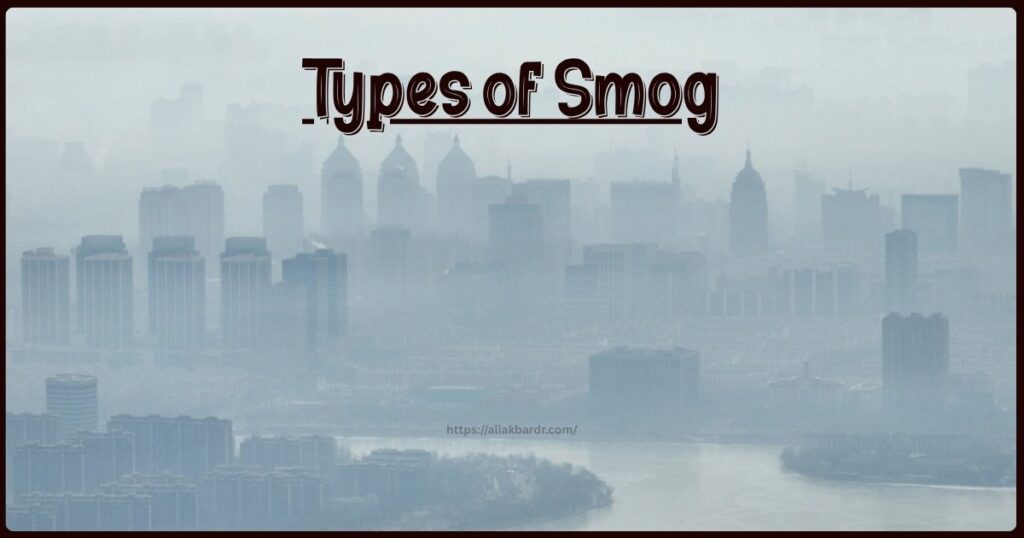
Industrial Smog (London-type Smog)
Industrial smog (London-type smog) is formed by burning coal or fossil fuels. Releasing sulfur dioxide (SO2SO_2SO2) and smoke. It produces a thick, gray haze, mainly in cold, damp conditions and seriously affects human health and the environment.
Photochemical Smog
Photochemical Smog forms when vehicle emissions and industrial pollutants. Such as nitrogen oxides (NOxNO_xNOx) and VOCs, react with sunlight. It creates a brownish-yellow haze, common in cities, causing respiratory issues and environmental damage.
Health and Environmental Impacts of Smog
Health Impacts
Smog irritates the eyes, nose, and throat and can aggravate respiratory conditions such as asthma, bronchitis and emphysema. Children, the elderly, and people with pre-existing health issues are particularly vulnerable. Making prolonged exposure a serious public health concern with both short-term and long-term effects.
Environmental Impacts
Smog damages crops, reduces agricultural productivity and weakens plant growth. It contributes to soil and water pollution, disrupts local ecosystems and decreases biodiversity. Persistent smog also affects climate patterns, air quality and overall environmental health, posing long-term challenges for sustainable development and natural resource management.
Smog Mitigation Strategies in Pakistan
Legislative and Policy Measures
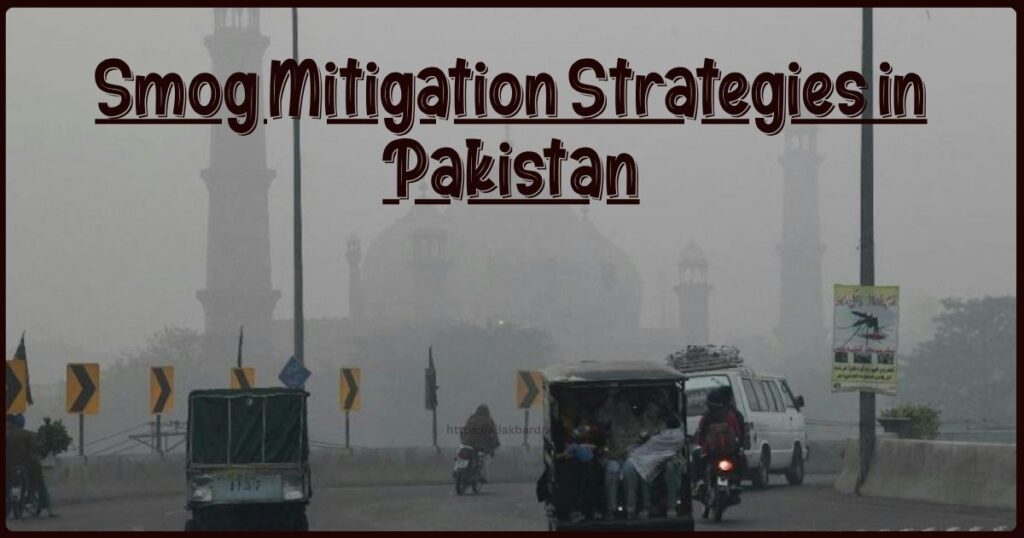
Pakistan has implemented laws like Smog Policy 2017 and Punjab Environmental Protection (Smog Prevention and Control) Rules 2023 to regulate industrial and vehicular emissions. These policies provide legal frameworks, enforce compliance through penalties and guide authorities in reducing smog while promoting public awareness and environmental protection.
Technological Interventions
Pakistan employs advanced technologies to combat smog, including air quality monitoring stations, emission testing devices for vehicles and industries, and anti-smog equipment like fog cannons. These measures help track pollution levels, control harmful emissions, and implement targeted strategies for cleaner air and improved urban environmental health.
Public Awareness Campaigns
Educating citizens about the dangers of smog is crucial. Awareness programs promote behavior changes. Such as avoiding stubble burning, maintaining vehicles, and reducing pollution. Public participation supports government initiatives. Enhances compliance with regulations and encourages community efforts to improve air quality and protect health and the environment.
Urban and Agricultural Measures
Urban and Agricultural Measures to reduce smog. Pakistan implements urban greening projects, controls construction dust and regulates industrial zones. In agriculture, stubble burning is minimized through alternative methods and farmer support programs. These combined efforts help improve air quality, protect public health and promote sustainable urban and rural environmental management.
Transportation and Energy Reforms
Pakistan promotes electric vehicles (EVs), clean fuels and public transportation improvements to reduce smog. Phasing out older, high-emission vehicles and encouraging renewable energy adoption help cut industrial and vehicular emissions. These reforms support sustainable transport, lower air pollution and contribute to long-term environmental and public health benefits.
Smog Mitigation Plan and Action Plan
Pakistan’s Smog Mitigation Plan aims to systematically reduce the rising air pollution. The plan includes stricter regulations on industrial and vehicular emissions, better monitoring of air quality, and promotion of clean energy use. The government is prioritizing environmental improvements through measures such as alternative methods of burning agricultural residues, planting trees in urban areas, and reducing dust in construction activities.
In addition, science-based policies are being formulated to reduce the root causes of smog in major cities especially Lahore, Faisalabad, Multan and Gujranwala. The Smog Mitigation Action Plan provides a framework for the practical implementation of these policies. It includes daily inspections of industries, crackdowns on smog-emitting vehicles, formation of anti-smog squads and cooperation with farmers to ban crop burning.
The action plan strengthens coordination among government agencies such as the EPA, traffic police, agriculture departments and district administrations so that prompt and effective measures can be taken. In addition, public awareness campaigns are also an important part of this project so that citizens themselves can play a role in reducing pollution.
City-Wise Analysis
Smog Mitigation and Legislation in Lahore
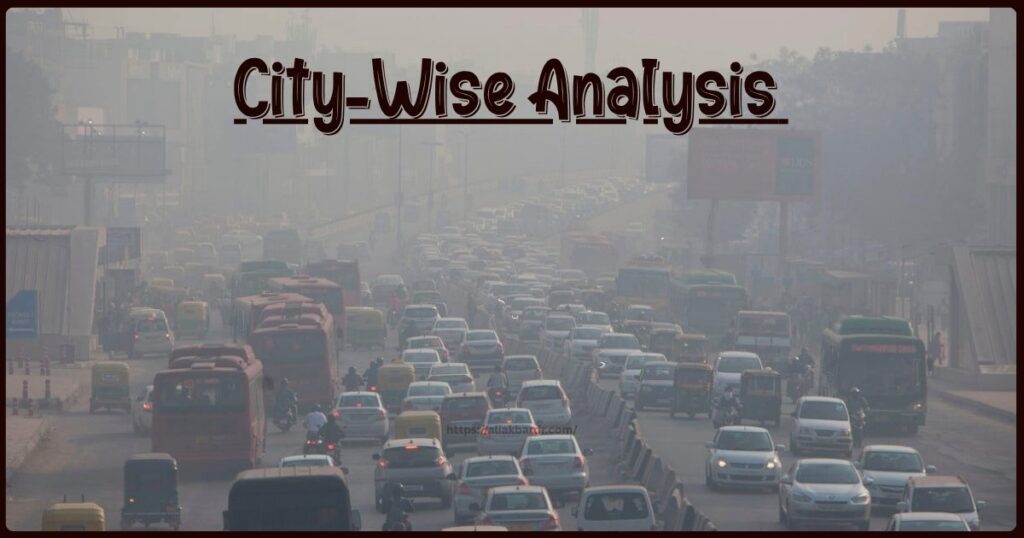
Lahore, Pakistan’s worst-hit city, is implementing strict smog rules and emission controls. The Punjab EPA has strengthened industrial inspections, crackdowns on smog-emitting vehicles and a ban on crop burning under the Smog Control Rules 2023. It has also increased green cover in urban areas and increased the number of air monitoring stations.
Smog Mitigation and Legislation in Islamabad
Smog is relatively low in Islamabad. But pollution increases during the winter inversion. The Capital Development Authority (CDA) and the EPA are working to reduce air pollution in Islamabad through vehicle smoke tests, construction dust control and industrial zoning laws. Climate policies at the federal level play a more effective role here.
Smog Mitigation and Legislation in Karachi
The main causes of smog in Karachi are industrial emissions, an outdated transport system, and port activities. The Sindh EPA has emphasized emissions monitoring. Banning waste burning, and mass transit reforms. Sulfur control laws and clean fuel regulations for industries in the city are also being implemented to reduce winter smog and PM2.5.
Smog Mitigation and Legislation in KPK
Smog is relatively low in Khyber Pakhtunkhwa. But traffic and industrial activities in cities like Peshawar and Mardan increase pollution. KPK is taking steps like EPA clean fuel adoption, BRT-based transport reforms and converting brick-kilns to zigzag technology. The government is also imposing stiff penalties for seasonal crop burning.
Smog Mitigation and Legislation in Multan
Winter smog in Multan is largely due to agricultural burning and dust pollution. The Punjab EPA is working to reduce pollution through crop residue management, industrial compliance checks and the restoration of greenbelts in the city. Traffic rules and fuel-quality checks have also been tightened.
Conclusion
Smog mitigation requires a coordinated approach that combines legislation, technology, urban planning and public awareness. Pakistan’s major cities face unique challenges, yet all share common sources such as vehicular emissions, industrial pollution, and agricultural burning. Effective policies, continuous monitoring, and strong institutional enforcement are essential to reduce pollution levels and protect public health.
Overall, long-term improvement depends on sustained government action supported by community participation. Cleaner transport, renewable energy adoption, and responsible urban development can significantly reduce smog intensity across the country. With consistent implementation of action plans, Pakistan can move toward healthier air quality and a more resilient environmental future.
FAQ’s
Punjab Environmental Protection Act 2017 Pdf
It is the main environmental law in Punjab that regulates air pollution, sets emission standards, and gives EPA authority to inspect and fine polluters. The PDF is available on the Punjab EPD website.
What are some ways to mitigate smog?
Reduce vehicle and industrial emissions, stop crop burning, shift brick kilns to zig-zag technology, promote public transport, improve fuel quality, and increase air quality monitoring.
What is the smog control program in Punjab?
A government program that includes anti-smog squads, air quality monitoring, zig-zag brick kilns, inspections of vehicles and industries, crop-burning detection, and yearly winter Smog Action Plans.
What is the legislation for control of air pollution?
The Punjab Environmental Protection Act 2017 and Punjab Environmental Quality Standards (PEQS) are the main laws controlling industrial and vehicular emissions.
What is the main legislation to regulate atmospheric emissions?
The Punjab Environmental Protection Act 2017 is the primary law regulating atmospheric emissions in Punjab.