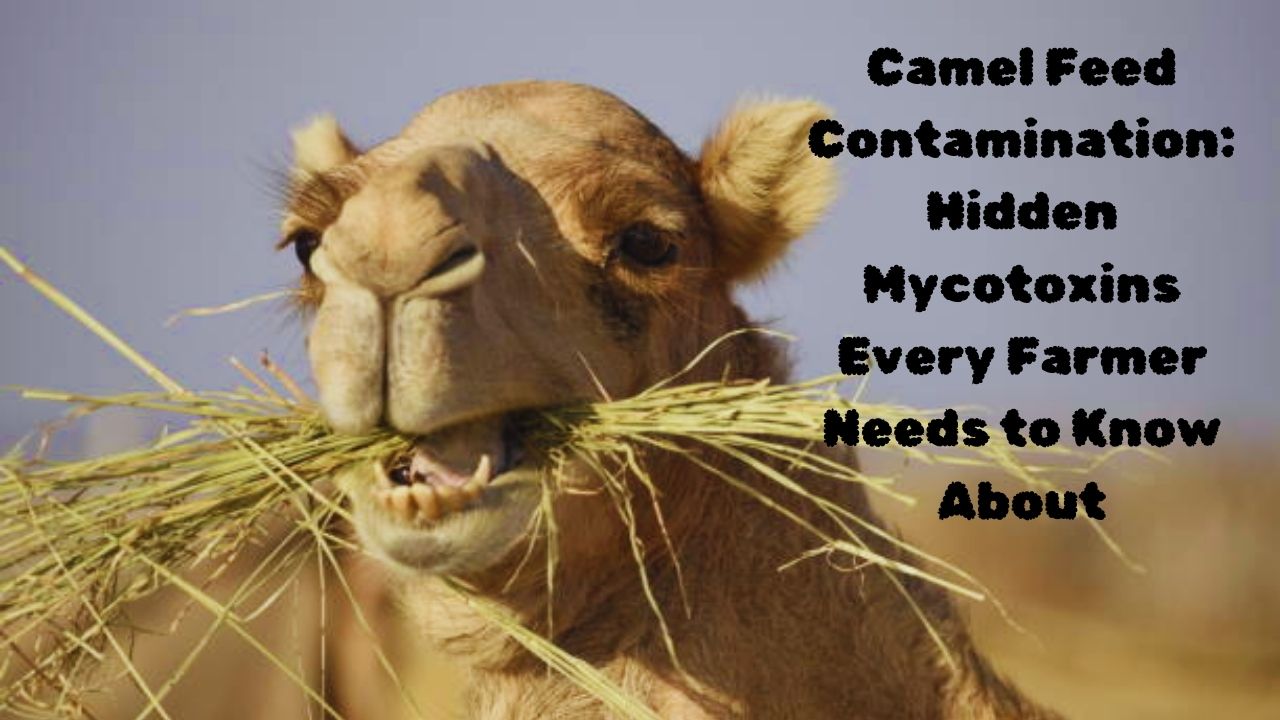
Camel feed often contains harmful substances that are not visible but can cause serious health problems. These include toxic fungal toxins such as aflatoxin, ochratoxin and fumonisins, which not only weaken the camel’s immune system but can also be transmitted to humans through milk and meat.
These toxins are mostly produced by fungi that grow in grains due to poor harvest, moisture or improper storage. In such situations, fodder becomes contaminated and farmers unknowingly feed their animals harmful food, which is why regular testing and proper care of feed are very important.
How hidden mycotoxins silently infiltrate feed
Hidden mycotoxins slowly enter the feed when the grain becomes moldy due to moisture, heat or poor handling. This fungus is not visible but inside it continues to produce toxins that contaminate the feed. Farmers often assume that clean-looking feed is safe, but this silent presence of mycotoxins can impair animal health, which is why regular inspection and proper storage are so important.
The rising risk for camel-dependent farming communities
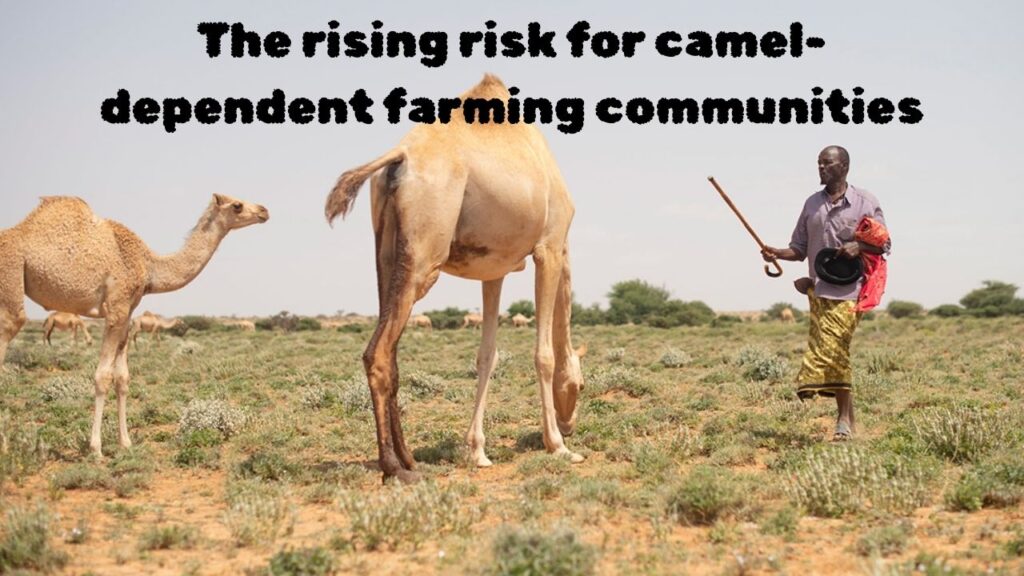
The increasing risk of mycotoxins is becoming a serious problem for agricultural communities dependent on camels. Climate change, uneven rainfall and poor storage practices increase the chances of forage contamination. In areas where camels are the main source of milk, meat and labor, hidden pollution affects production, animal health and farmers’ incomes. This is why timely monitoring and better forage management has become very important.
What Are Mycotoxins and Why They Threaten Camel Health
The most common mycotoxins found in camel feed
These are the toxic substances that are often found in camel feed and affect the animal’s health without being visible. Each toxin has its own nature, effects, and causes that make it particularly dangerous.
- Zearalenone (ZEN): Builds up in damp or stale grains and reduces reproductive performance by causing hormonal problems.
- Ochratoxin A (OTA):is abundant in poorly stored food and affects many organs including the kidneys.
- Fumonisins (FUM):Build up in corn or corn-based feed and damage the liver and digestive system.
- Aflatoxins (AFT): Build up rapidly in hot and humid environments and can be transmitted to humans through milk.
Environmental factors that increase mycotoxin presence
This environment creates conditions in which mold grows rapidly and mycotoxins silently contaminate food. A few specific factors multiply this risk.
- Temperature: High temperature accelerates the growth of fungi and the grain starts spoiling quickly.
- Water Activity and Relative Humidity: If the humidity increases, the food becomes wet from the inside and creates an ideal environment for fungi.
- Drought and Extreme Weather:Drought weakens the crop making it easy for fungi to attack.
- Pest and Insect Damage: Insects injure the grain and through these cracks the fungus reaches inside.
- Substrate (Crop Type) and pH: Some crops and their pH levels are more suitable for fungi, which increases the chances of contamination.
Sources of Camel Feed Contamination Farmers Overlook
Contaminated grains and roughage
Contaminated grain and dry fodder are considered to be the most common and dangerous sources of camel feed. Due to moisture, improper storage or late harvesting, the grains become moldy and develop mycotoxins. Even seemingly clean fodder can be spoiled on the inside. When farmers feed such contaminated hay or grain to the animals, these toxins gradually begin to affect both the health and production of the camels.
Fungal growth during storage
Low humidity, closed environments or poor ventilation during storage accelerates the growth of mold in grain and fodder. This fungus is not visible at first, but over time it builds up toxins inside. If the bottom of the sacks gets wet, the temperature in the warehouse rises or there is no ventilation, the contamination will spread further. Thus, even a feed considered safe becomes a dangerous source of mycotoxins.
Poor-quality commercial feed mixes
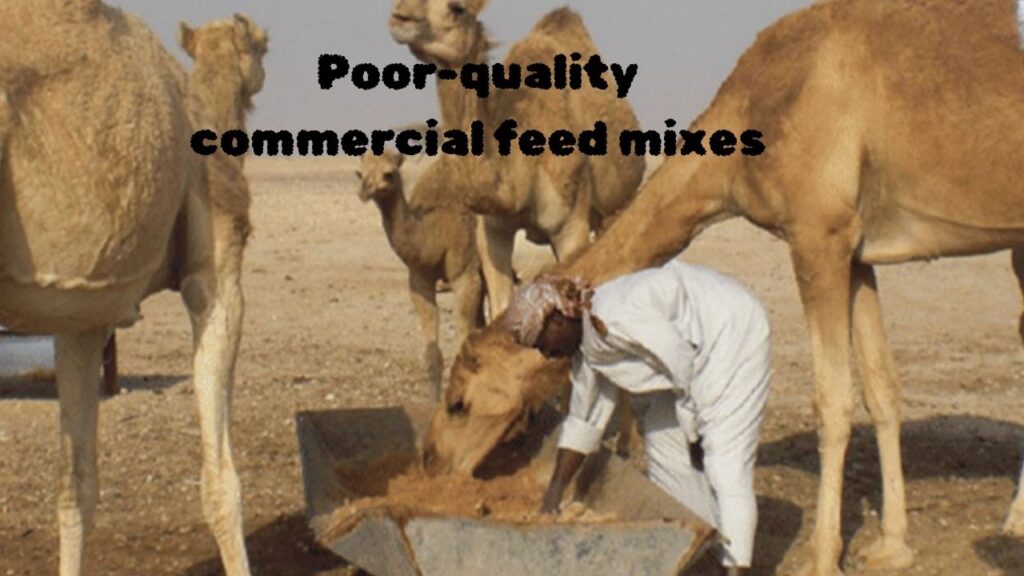
Low-quality feed mixes available in the market are often made from poor quality or old ingredients that are already prone to mold growth. Inefficient processing, substandard cleaning and improper storage sometimes further increase mycotoxin levels. When farmers rely on such feed, they do not realize that the fodder may be internally contaminated even if it looks fine. This is why choosing a reliable supplier and quality feed is always important.
Water contamination and cross-exposure
Mycotoxins can also be transferred to forage through water, especially if the water is dirty or standing in storage tanks. Contaminated water, when mixed with feed or grain, creates a favorable environment for fungal growth. In addition, changes in diet and cross-exposure between different animals or locations also increase the risk. As a result, unavailability of clean water and improper handling can silently contaminate the fodder and adversely affect camel health.
Symptoms of Mycotoxin Exposure in Camels
Gastrointestinal and immune-related complications
These toxic mycotoxins can directly affect the digestive and immune systems of camels, increasing the risk of various diseases and complications.
- Immune system disorders: Immune system problems such as weak or unbalanced immunity, cause infections and digestive problems.
- Immunotherapy treatments:Some medical treatments, especially immunotherapy, can cause gastrointestinal side effects.
- Common Manifestations: Frequent infections, chronic diarrhea and other digestive problems are common.
- Opportunistic Infections: Bacteria that cause minor problems in healthy animals can cause severe disease in immunocompromised camels.
- Specific Complications: include infection with Candida, HSV, or CMV, abdominal pain, and risk of developing intestinal lymphoma.
Testing Camel Feed for Mycotoxins
How often camel feed should be tested
It is important that camel fodder is tested regularly to maintain nutritional quality and detect the effects of weather or forage changes quickly.
- Seasonal Testing: Test the nutrient content of the forage at the beginning of each critical season so that supplements can be given as needed.
- New Batches of Feed: Test a sample before use of each new feed or batch to be free of mycotoxins or other contaminants.
- Problem Indicators:Check feed immediately if camels are sick or change in eating behavior.
- Welfare Assessment Protocols:Monitor forage availability and quality for each herd and check body condition.
- High in Bulk
- High in Bulk & Fiber: Camels need to have a high fiber diet as they depend on desert plants.
- Protein and Energy: Adjust protein and energy levels according to the camel’s condition.
- Salt & Minerals: Ensure adequate salt and minerals are available to maintain health.
- Water Quality: Clean and fresh water should be available at all times as the amount of water depends on the diet and environment.
On-farm rapid test kits
Rapid test kits used on the farm allow farmers to immediately test for the presence of mycotoxins in forage. These kits are simple and rapid and do not require a laboratory, enabling rapid decision-making. These kits are particularly useful during day-to-day monitoring on the farm as they show early signs of toxins, allowing timely removal of contaminated feed and preserving camel health.
Laboratory testing methods
Advanced laboratory methods are used for accurate detection of mycotoxins in camel fodder which provide more sensitive and reliable results. These methods are essential for assessing food quality and detecting hazardous contamination levels.
- Chromatography Techniques: High Performance Liquid Chromatography (HPLC) and Gas Chromatography accurately measure mycotoxin concentrations.
- ELISA (Enzyme-Linked Immunosorbent Assay): This test is sensitive and rapid for specific mycotoxins, and is suitable for a large number of samples.
- Mass Spectrometry: This method is used for both identification and quantification of mycotoxins hidden in complex feed mixtures.
- Microbiological Tests: Microbiological tests are performed to detect certain fungi and the toxins they produce.
- Routine Quality Checks: Regular laboratory testing helps to protect the quality of fodder and animal health.
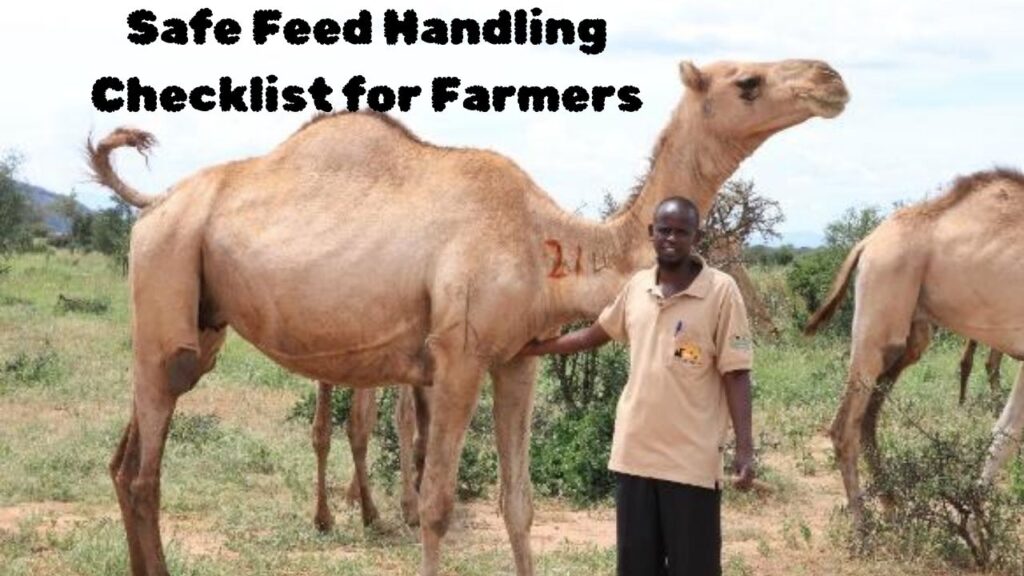
Safe Feed Handling Checklist for Farmers
Daily inspection routine
Forage inspection on a daily basis helps farmers spot early signs of contamination. Grains, dry fodder and feed mixes should be thoroughly checked every day so that moisture, mold or damaged areas can be identified immediately. This routine not only reduces the risk of mycotoxins but also preserves animal health and production. Daily monitoring is the best way to correct small changes in time.
Storage temperature and moisture guidelines
Special attention must be paid to temperature and humidity to preserve fodder. High humidity or inappropriate temperatures promote fungal growth and can raise mycotoxin levels to dangerous levels. Food should be stored in a dry, cool and ventilated place, and humidity levels should be checked regularly. Adopting proper storage practices maintains the quality of fodder and preserves the health of camels.
Safe feed rotation and disposal practices
Proper feed rotation and disposal practices help farmers protect against the presence of mycotoxins in forage and preserve animal health.
- Regular Rotation: Food should be rotated from old to new batches to minimize the effect of any contamination.
- First In, First Out (FIFO): Use the feed that comes in first so that old or spoiled food does not last long.
- Proper Disposal:Segregate contaminated or moldy feed immediately and safely dispose of it.
- Segregation of Batches:Store different batches separately to reduce the risk of contamination.
- Monitoring:Ensure regular testing and inspection of each batch so that the effects of mycotoxins can be recognized immediately.
Conclusion
Hidden mycotoxins in camel fodder not only affect the health and production of animals but can also pose a threat to humans. Timely testing, safe storage, daily inspection and use of quality feed help to reduce this risk. It is important for farmers to constantly monitor fodder quality, moisture, temperature and feed rotation to protect their camels from the harmful effects of mycotoxins and maintain productivity.