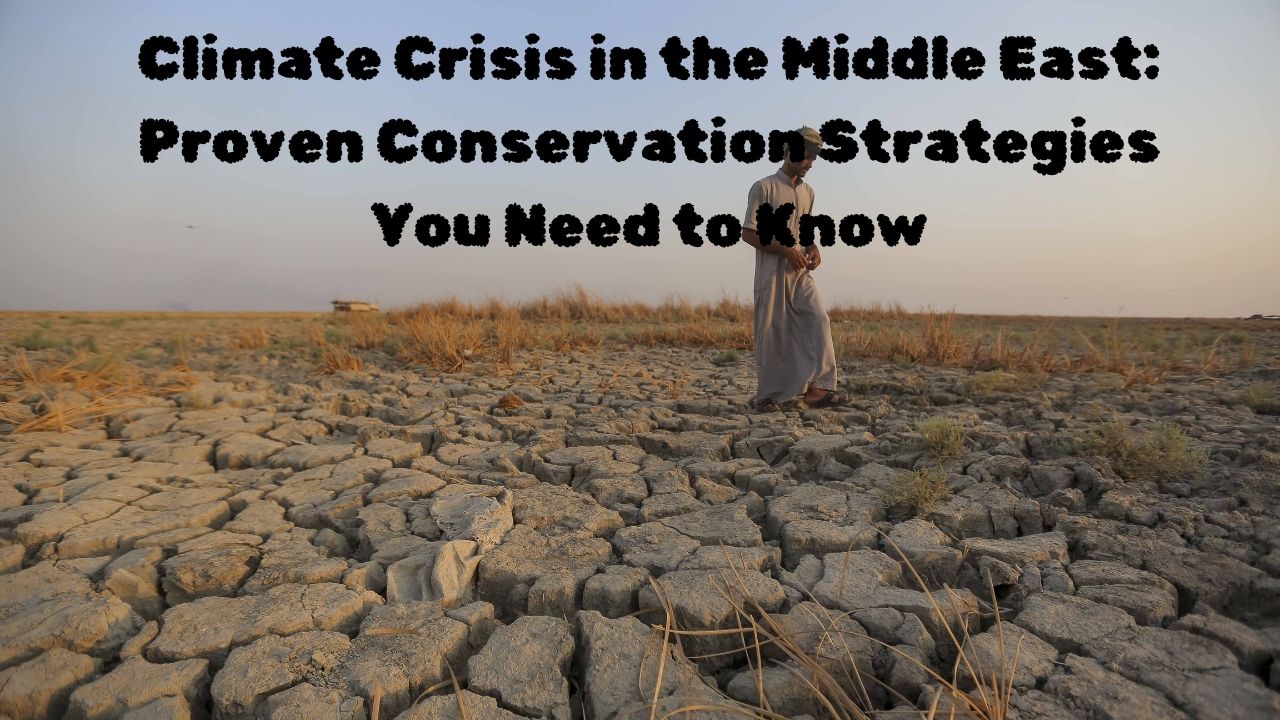
The region is facing severe environmental stress due to rapidly changing weather patterns, rising temperatures and declining rainfall. Droughts are increasing and water resources are under greater pressure than ever before as populations grow and weather patterns become more erratic.
That is why many countries are rapidly moving towards solar energy, emphasizing better water use and adopting agricultural techniques that are effective even in difficult weather conditions. At the same time, countries like Saudi Arabia are promoting effective eco-friendly strategies through large-scale regional projects and community involvement.
Why the Middle East Faces Extreme Climate Vulnerability
The Middle East is facing severe environmental threats due to rapidly increasing temperatures and extreme weather conditions. Political inaction, conflict and weak governance in the region have compounded the situation, leading to water shortages, food shortages and extreme heat waves.
The region is warming faster than the global average, making many areas uninhabitable. This rising temperature has compounded the challenges of water, energy and food crises.
Rising Temperatures, Water Scarcity and Desertification Trends
The decrease in the intensity of heat and the rapid expansion of deserts have become the great oceans of today. These three feed each other and affect every problem of life.
The main points are as follows:
- Rising temperatures: Continuous heat not only makes the weather windy, but also the water in both the land and the sea is rapidly depleting.
- Water scarcity: Due to lack of rainfall, erratic weather and population, there are fewer fresh water reserves.
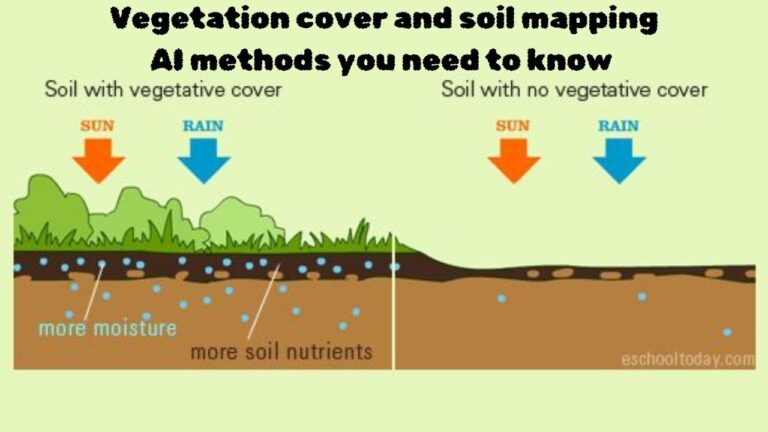
- Desertification: Loss of moisture and poor soil conditions are turning arable land into deserts.
- Ecosystem: Wildlife, trees and natural environments are rapidly changing their survival conditions.
- Agriculture and food security: Crops are affected by heat, water scarcity and poor soil, which increases the food crisis.
- Human migration: Heat and water scarcity create problems and force people to migrate for many health and health reasons.
Socioeconomic and Political Impacts of the Regional Climate Crisis
The climate crisis has severely weakened the economic and social situation in the region. Food shortages, shrinking employment opportunities and increasing poverty are severely affecting people’s lives. Many families are being forced to migrate in search of water and food, which further exacerbates their difficulties.
Politically, the crisis is also creating instability, as countries with weak governance and agricultural dependence come under greater pressure. The result is unrest, conflict and new national security concerns that exacerbate existing problems.
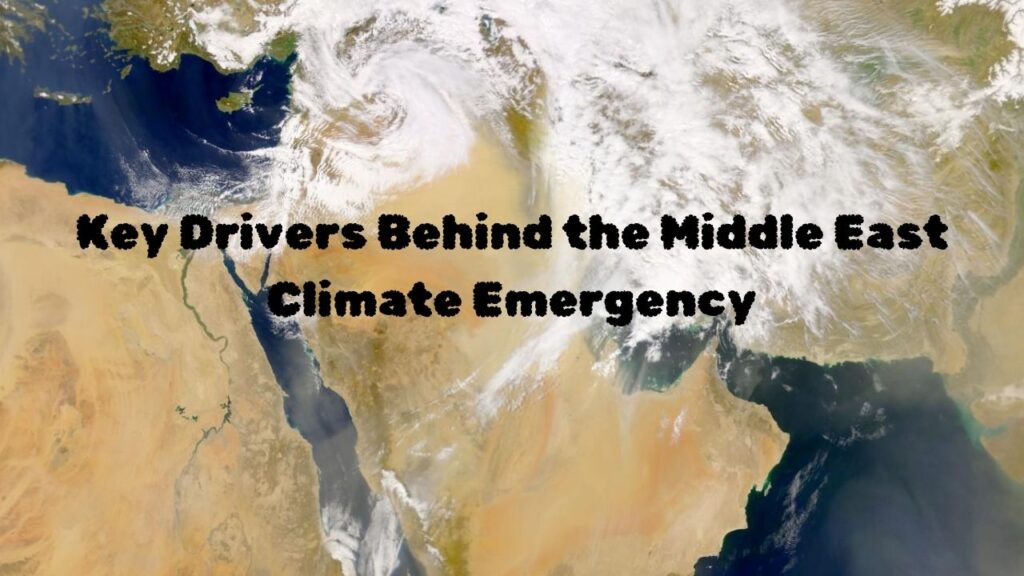
Key Drivers Behind the Middle East Climate Emergency
Rapid Urbanization and Natural Resource Depletion
Rapid urban growth has put severe pressure on natural resources in the Middle East. The rapidly growing population of cities demands more water, energy and land, which is rapidly depleting existing reserves. New housing projects, roads and industrial activities further weaken the environment as large-scale land is cleared for them. As a result, water scarcity increases, agricultural areas shrink and the environment loses its ability to regenerate.
The Role of Fossil Fuel Dependency
Reliance on fossil fuels has played a significant role in the development of the region, but it has also increased the burden on the environment. The continuous consumption of oil and gas increases greenhouse gases, which causes the temperature to rise rapidly.
Most of the energy, transport and industrial systems run on these fuels, due to which cleanliness and sustainability measures are lagging behind. This is why the world now feels the need to move towards safer and more environmentally friendly sources of energy.
Agricultural Pressures and Unsustainable Land Use
With the growing population, the demand for food also increases, which puts enormous pressure on agricultural land. Farmers often start farming on weak and unsuitable lands or try to grow more crops than the soil can bear, which causes the soil to lose its fertility.
This process creates problems such as erosion, increased salinity and reduced water reserves. As a result, farm yields decrease, rural poverty increases and further land degradation pushes the agricultural system into a negative cycle.
Proven Conservation Strategies You Need to Know
Scalable Water Conservation Technologies for Arid Regions
To save water in dry areas, methods that can be easily used on a large scale are essential. Smart irrigation systems such as drip and micro-irrigation are very effective for this purpose because they deliver water directly to the roots and prevent it from being wasted. Drone monitoring also improves water use by monitoring the moisture content of fields.
Similarly, rainwater harvesting, creating small reservoirs and using modern desalination technology are becoming important solutions for dry regions. Water recycling, water harvesting technology from the atmosphere and the selection of low-water crops are also proving to be practical and sustainable measures in these areas.
Renewable Energy Expansion as a Climate Stabilizer
The expansion of renewable energy plays a central role in stabilizing the climate because it reduces the use of fossil fuels, which are the largest source of greenhouse gases. When electricity is generated from the sun, wind or water, less carbon dioxide is released into the atmosphere and the pressure on the environment is reduced.
Solar energy is becoming increasingly popular in hot regions such as the Middle East because it is both cheap and clean. Sources such as wind and geothermal energy are also leading the region towards a safer, more sustainable and environmentally friendly future.
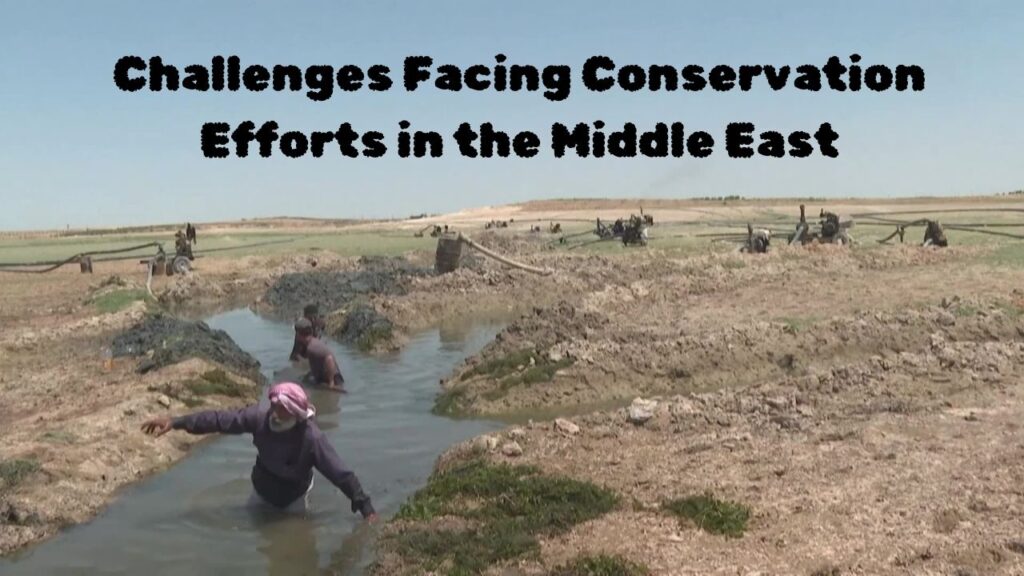
Challenges Facing Conservation Efforts in the Middle East
Political Instability and Resource Conflicts
Political instability has made the distribution of resources in the Middle East more fragile. When governments fail to deliver on their policies, water and other essential resources such as land and energy are contested. In such situations, even small conflicts can escalate into major conflicts.
Resource scarcity is often exacerbated by conflicts between different groups, as peace is increasingly sought after. As a result, society becomes more divided, development stagnates, and the region is trapped in a cycle of constant uncertainty.
Economic Constraints and Slow Policy Implementation
Economic constraints prevent many Middle Eastern countries from completing their green projects on time. Limited budgets, external debt pressures, and a weak investment climate have slowed the pace of sustainable development. When financial resources are scarce, governments prioritize immediate issues, and long-term environmental projects take a back seat.
At the same time, policy implementation is also very slow. Many good projects remain on paper because institutions are weak, staff training is inadequate, and monitoring systems are ineffective. As a result, environmental protection efforts do not gain the desired momentum.
Public Awareness Gaps and Behavioral Barriers
Lack of public awareness is a major obstacle to addressing the environmental crisis in the Middle East. Many people are unaware of the impacts of climate change or of how to use water and energy efficiently, leading to wasteful use of resources.
In addition, traditional behaviors and habits also contribute to the problems, such as excessive water or energy use and the indiscriminate use of plastic and chemical waste. When the public does not understand the environmental impacts, the success of any government or community project is limited.
Final Thoughts
The environmental crisis in the Middle East is a serious and complex issue that is affecting every sector through rising temperatures, water scarcity, desertification, and socio-economic pressures. Urgent and effective measures are essential for the survival of the region, including renewable energy, modern water-saving technologies, sustainable agriculture, and community involvement.
If governments, citizens, and international organizations work together to adopt these strategies, not only can environmental risks be reduced, but also long-term development and human well-being in the region can be promoted.