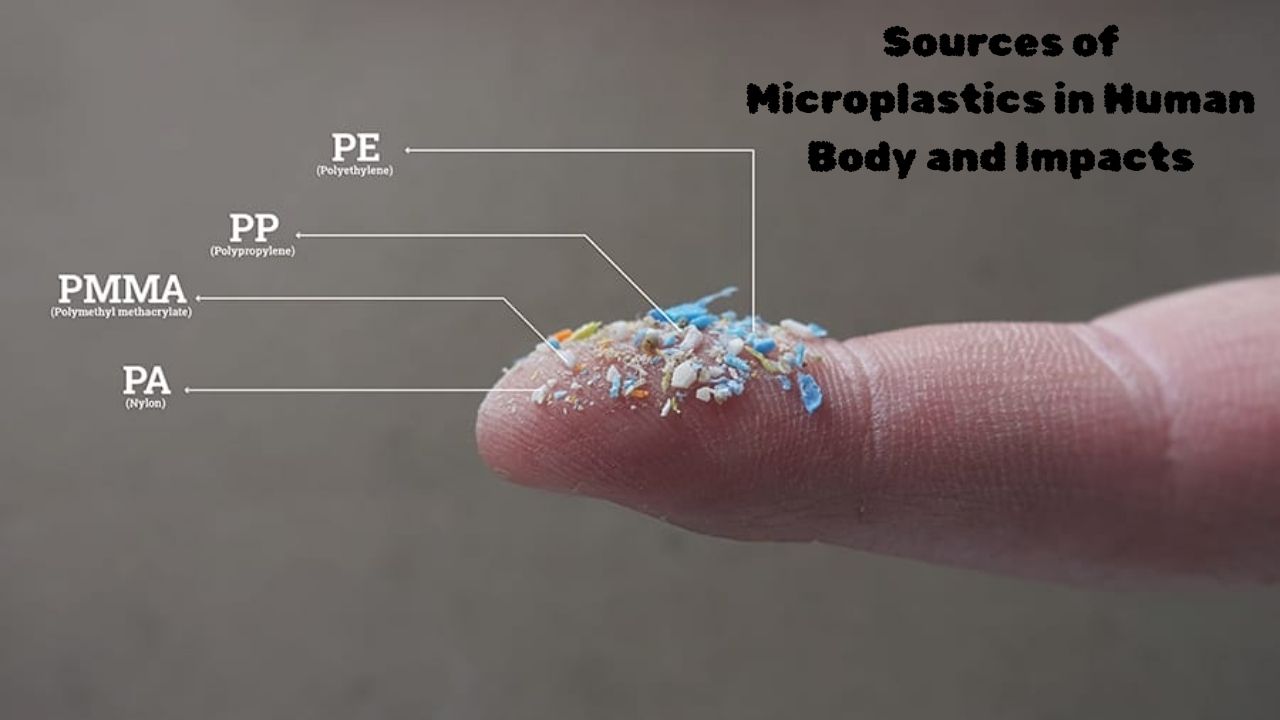
Microorganisms enter the human body through food, water, packaging, particles, clothing, or cosmetics. They can accumulate in various organs of the body, such as the lungs, liver, blood, and even the placenta.
Their effects include changes in cell damage, heart and lung disease, disruption of gut bacteria, and brain effects. However, full-scale research on humans is still underway to confirm direct effects.
Common Sources of Microplastics in Human Body
Contaminated Food and Water
Microplastics enter the body through food and water. Fish, seafood, salt, and bottled water are major sources because these tiny plastic particles get into the water or food. Vegetables and fruits can also be affected if they are packaged in plastic or if they are irrigated with contaminated water.
These particles can accumulate in the daily diet and reach various organs in the body, such as the liver, intestines, and blood. This can have health effects, such as digestive problems and long-term inflammation or cell damage.
Airborne Microplastics
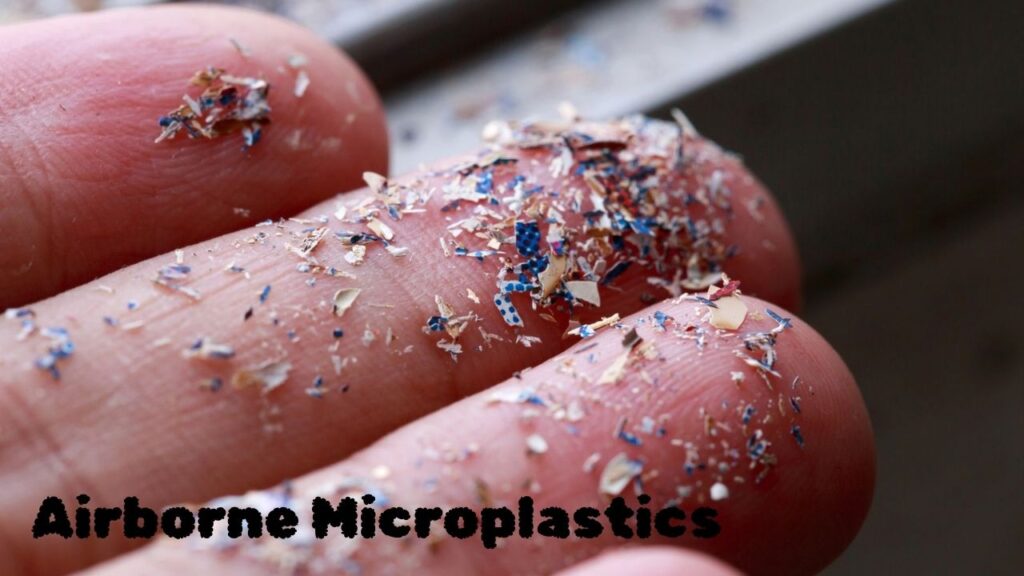
Microplastics can also enter our bodies through the air. These tiny plastic particles are produced by clothing, carpets, and industrial dust. When we breathe in this air, they can enter our lungs. Indoors, such as in living rooms, bedrooms, or classrooms, these particles can accumulate more, especially if the air is not clean.
Small amounts of these particles are inhaled into the body every day, which can cause breathing difficulties, lung inflammation, and minor health effects. However, more research is needed to fully understand the effects.
Consumer Products and Personal Care Items
We can also ingest microplastics from everyday items. These tiny particles are found in cosmetics such as soaps, shampoos, toothpastes, face washes, and scrubs. Some fabrics, especially those made from synthetic fibers, also release tiny plastic particles in the form of dust.
When we use these products or wear these clothes, microplastics can enter our bodies through our skin or through our breath. Over time, they can accumulate in the body and cause health effects, such as inflammation, allergies, or skin sensitivities.
Medical Devices and Pharmaceuticals
Some microplastics can also enter the human body through medicines and medical devices. Medicine packaging, pills, injections or syringes may contain small plastic particles. Some medical devices, such as catheters or plastic tubes, can also release microplastics.
When they enter the body, they can accumulate in the blood, liver or other organs. With prolonged use, they can cause minor health effects, such as inflammation or mild cell damage. Research is ongoing to determine the full effects in humans.
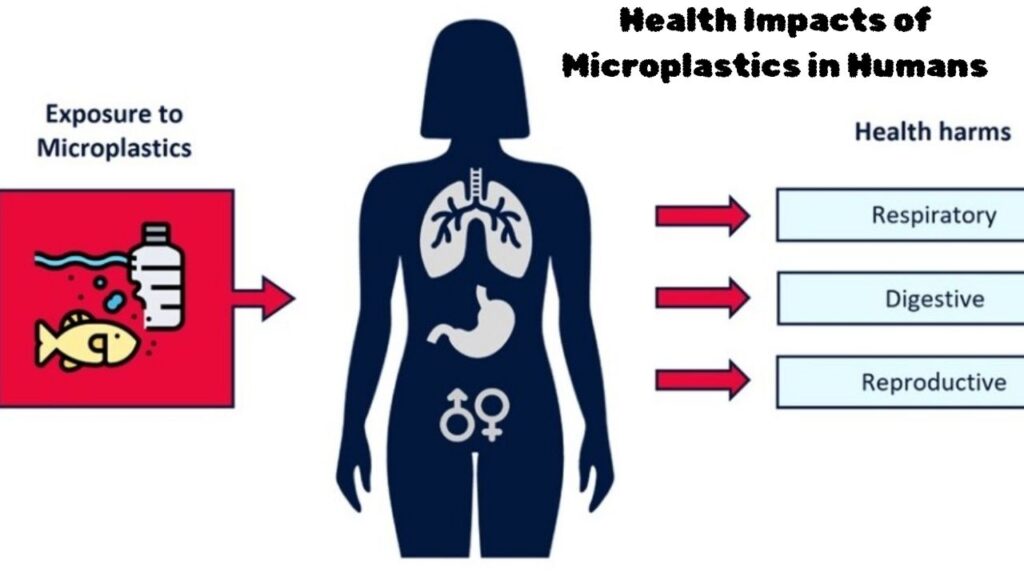
Health Impacts of Microplastics in Humans
Physical and Cellular Effects
Microplastics can affect cells and organs after entering the body. These small particles can accumulate in the body, causing inflammation and cell damage, which is called apoptosis or cell death. Some studies have also shown that these particles can damage genetic material, which is called genotoxicity.
These effects can occur in different parts of the body, such as the lungs, liver and intestines. In the long term, they can disrupt the normal functioning of the body, such as reducing immunity or increasing the risk of diseases.
Chemical and Toxic Effects
Microplastics also carry chemicals into the body. These plastics typically contain BPA, phthalates, and other toxins. These chemicals can be absorbed into the body and affect hormones, a condition called endocrine disruption.
Long-term use can affect the heart, liver, and kidneys. They can cause inflammation or damage within the body, increasing health problems, such as heart disease or digestive problems.
Potential Systemic Impacts
Microplastics can affect various systems in the body. They can disrupt the digestive, respiratory, and immune systems. Some studies have also linked them to heart disease, lung inflammation, and reproductive problems
These effects are usually small and gradual, and can disrupt normal body function over time. However, more research is needed to fully assess the effects in humans.
Reducing Exposure to Microplastics
We can protect ourselves from microplastics in our daily lives. By taking small steps, we can reduce the amount of particles entering our bodies.
- Use filtered water and stainless steel utensils instead of plastic bottles and packaging.
- Reduce the use of microplastics in seafood and processed foods.
- Take care of ventilation and cleaning to keep the air in your home clean.
- Use natural fibers in clothes and reduce dust particles from synthetic fabrics.
- Avoid products containing microbeads in cosmetics and personal care products.
Conclusion
Understanding the Sources of Microplastics in the Human Body and Impacts is important so that we can take care of our health. Microplastics enter the body through food, water, air, and everyday objects and can cause inflammation, cell damage, and other health problems.
Small steps, such as drinking filtered water, being careful with seafood, and avoiding synthetic clothing and products with microbeads, can protect us from the effects of microplastics.