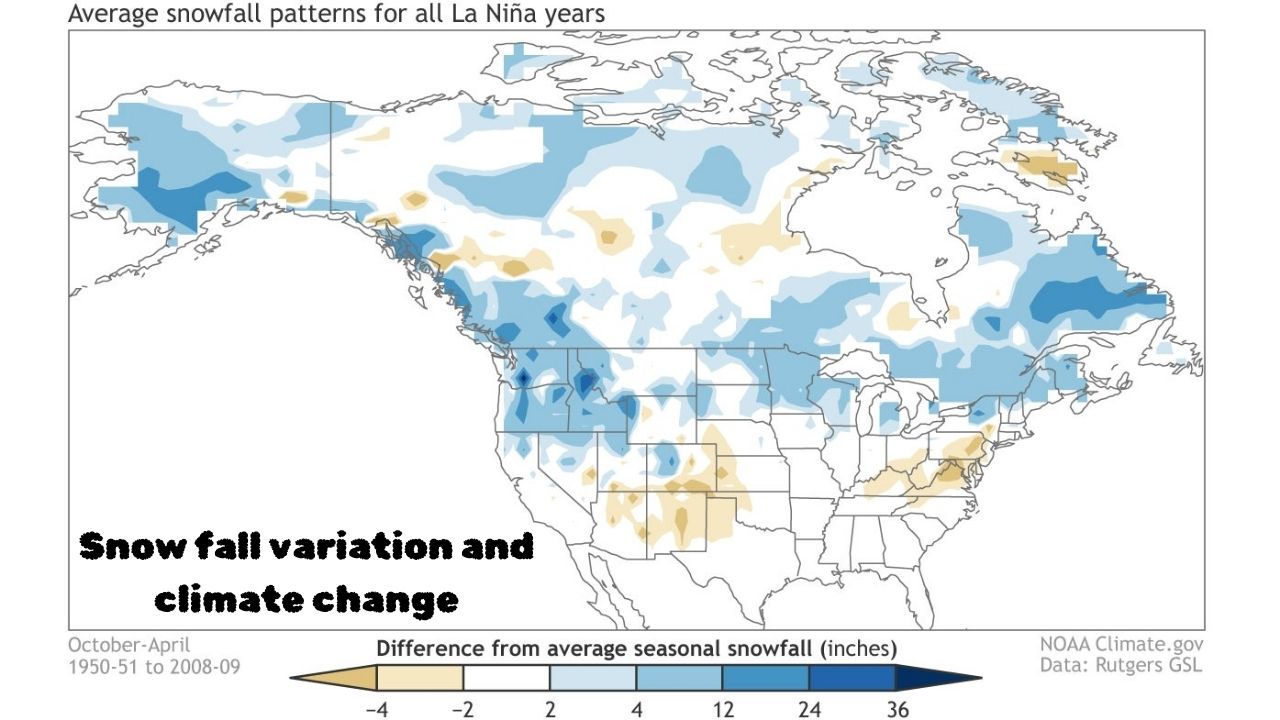
Climate change is causing a clear change in the pattern of snowfall. Earlier, winter used to come on time, but now the snow falls late and melts early. In low-lying areas, it has started raining instead of snow, which is causing water shortages and changing the flow of rivers.
These changes are having an impact on our daily lives. Agriculture, power generation projects, and tourism in cold regions are all being affected. Some high mountain areas are also seeing heavier snowfall because the humidity in the atmosphere has increased. All of this together is making the weather unbalanced.
What is snow fall variation and why is it changing
Snowfall variation refers to when, where, how much and in what form snow falls. Sometimes there is light snow and sometimes there is a lot. Now all this is changing because the earth is warming. As the temperature increases, the humidity in the air increases, which changes the weather system. That is why snow is decreasing in some areas while in some places there is sudden very heavy snowfall.
How Does Climate Change Affect Snowfall?
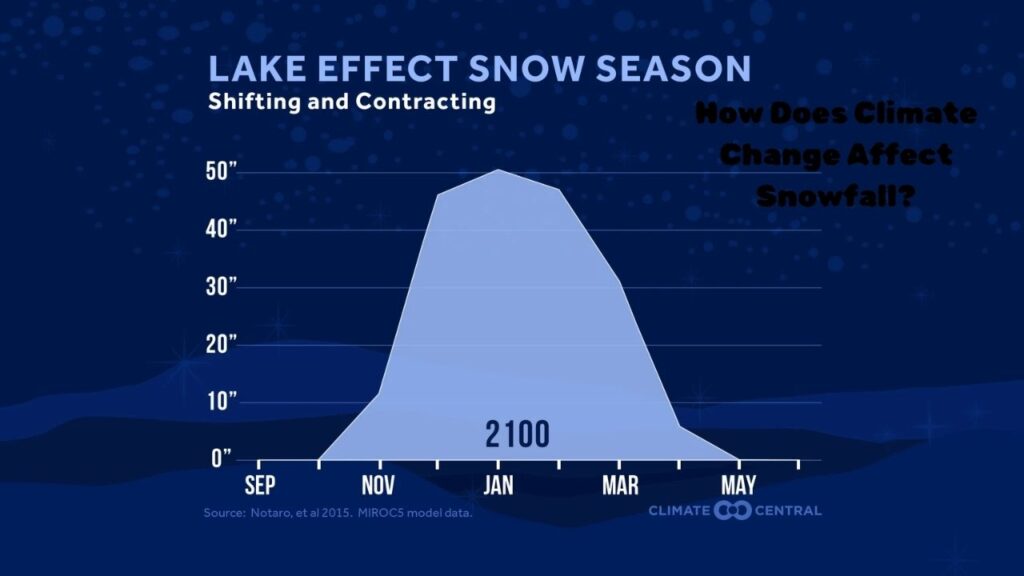
Climate change is affecting snowfall in many ways. As temperatures rise, most places are getting rain instead of snow, and the snow season is also getting shorter. But in some very cold and high-altitude areas, there may be more intense snowfall due to increased humidity in the air. This means that there is less snow in some places and suddenly a lot more in others, making the weather unbalanced.
Snowpack responds to climate change
Snowpack, the snow that accumulates on the ground, is responding rapidly to climate change. Snow is melting faster now and is not accumulating as much as it used to. As temperatures rise, it rains more often, so less snow is formed. When snow is scarce, water storage is also affected. Some high mountain areas may temporarily receive more snow, but in most places the snowpack is steadily decreasing.
The link between climate change and changing snowfall patterns
Climate change is changing the entire snowfall system. Snow is no longer as regular as it used to be, nor does it fall uniformly everywhere, affecting both water and weather.
Key Links Between Climate Change & Snowfall
- Warmer Air, More Moisture: Warmer air contains more moisture, which causes sudden and heavy snowfall in some places.
- Shift to Rain: Low-lying and warm areas are seeing rain instead of snow, causing less snow accumulation.
- Earlier Melt & Less Snow Cover: Snow melts earlier and the winter season has also become shorter.
- Conflicting Trends: Snow is decreasing in some places and sudden and severe snowstorms are being seen in others.
Consequences of Changing Patterns
- Water Scarcity: Less snow means less water for rivers and fields.
- Flooding & Drought: Sometimes there are floods and sometimes there are severe droughts.
- Economic Impacts: Snow tourism is affected and its resorts are damaged.
Future effects of snow fall variation and climate change
In the coming time, due to climate change, there will be less snow and more rain. The snow will melt faster, sometimes causing floods and sometimes causing water shortages. Farming, power projects and rivers will all be affected. Animals and fish will also face difficulties due to the changing weather. Although there may be more snow in the high mountains for a while, snow will continue to decrease in most areas.
Is snow bad for the environment?
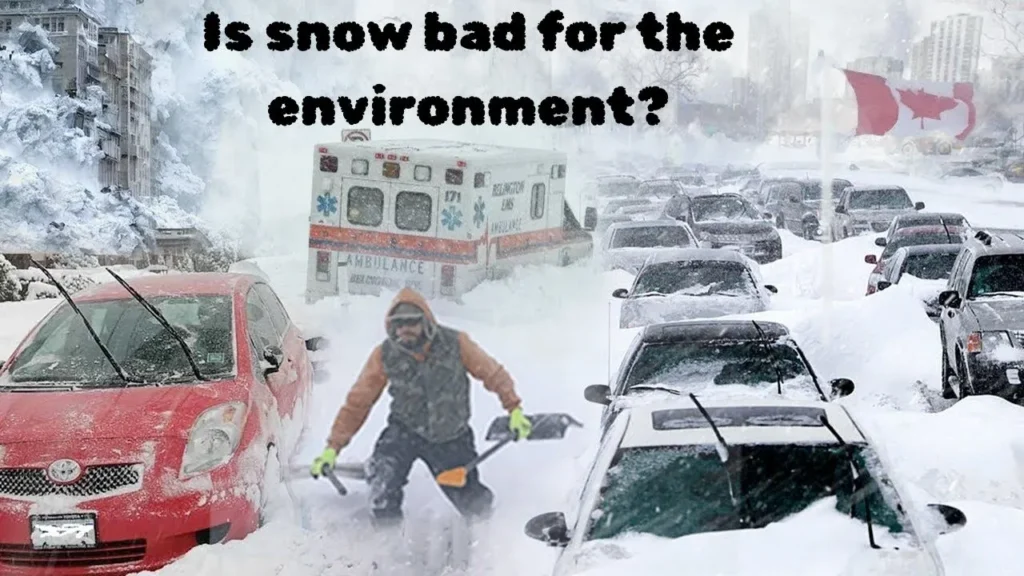
No, snow itself is not harmful to the environment, but is very beneficial. Snow helps keep the earth cool and slowly transports water to rivers. It protects plants, animals and soil from the cold. The problem arises when pollution and climate change destroy the natural benefits of snow. Nowadays, snow is contaminated with dirt and melting quickly, causing problems such as water scarcity and flooding.
Conclusion
It can be said that snowfall variation and climate change are closely related to each other.The changing climate is changing everything from the timing, amount and location of snowfall. Its impact on water, agriculture, the environment and our daily lives is clearly visible. If we understand this change and plan in time, the damage can be reduced. Awareness and caution can help us deal with the upcoming weather problems better.