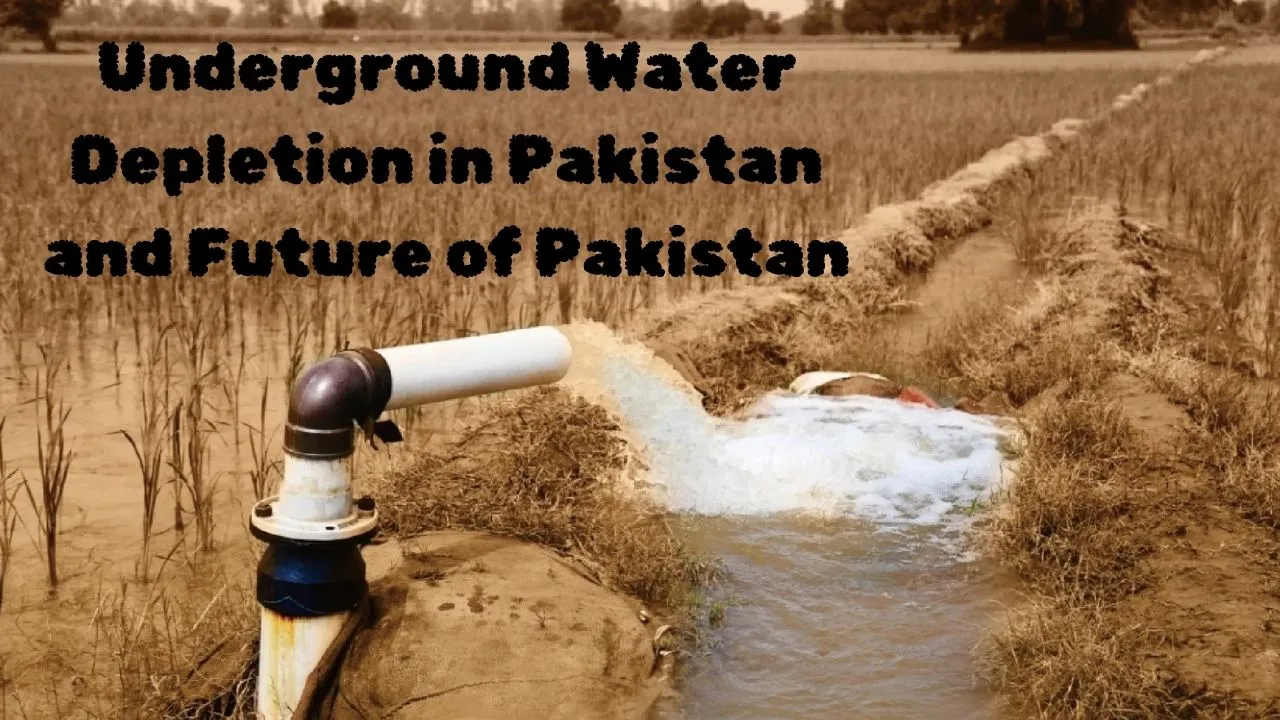
Groundwater in Pakistan is rapidly depleting. The main reasons for this are over-farming, climate change and poor management. Due to water scarcity, it is drying up, wells are getting deeper and salt in the water is increasing.
This problem is not only for the people but also for the development of the country. If we do not take appropriate water pricing and better management measures now, then it will be difficult to secure water in the future.
What is the groundwater depletion in Pakistan?
Groundwater depletion in Pakistan refers to the rapid depletion of water below the ground. The problem is growing because of the high water use in agriculture, especially due to solar tubewells. Urban sprawl is also putting pressure on water. The result is falling water levels, rising costs, salt intrusion into the ground, and the threat of future water shortages.
Consequences of Underground Water Depletion on Pakistan’s Future
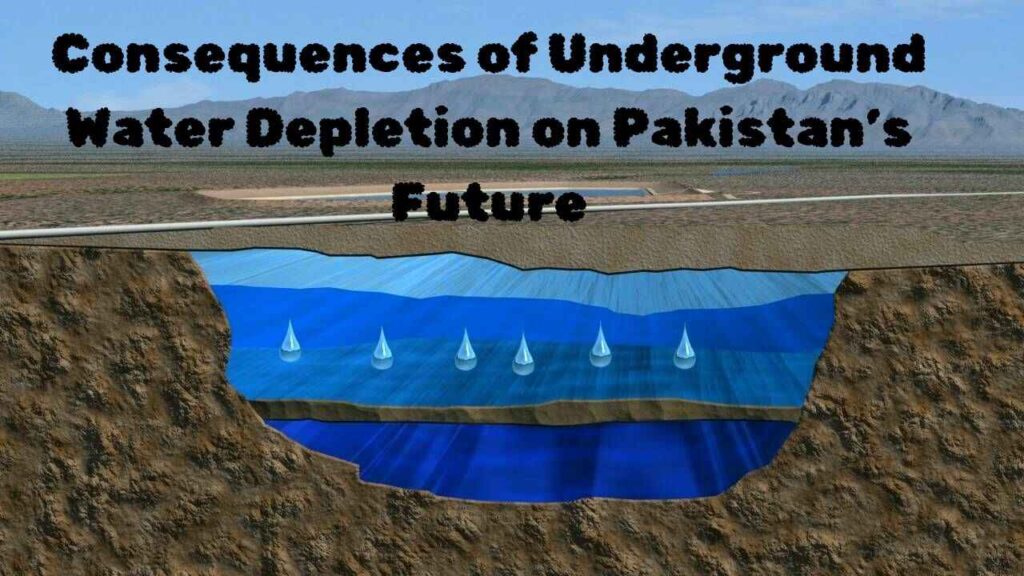
Groundwater depletion is a silent threat to Pakistan’s future. If the problem continues to worsen, daily life, food, health and development will all be affected.
Agricultural & Economic Impacts
- Productivity Loss: As water levels drop, farmers have to dig expensive and deep wells, reducing yields.
- Food Shortage: As yields fall, food becomes more expensive and the poor are affected.
- Economic Loss: Water scarcity slows down the country’s development and poverty increases.
Environmental & Health Crises
- Water Pollution: As water levels drop, toxins and salts increase, especially in coastal areas.
- Diseases: Drinking contaminated water spreads diseases such as cholera, diarrhea and hepatitis.
- Environmental Damage: Land and natural systems are weakened.
Urban & Infrastructure Challenges
- Water shortage in cities: People are forced to rely on expensive tankers.
- Land subsidence: Roads, houses, and canals collapse.
Climate Change Amplification
- Irregular rainfall: Low rainfall does not return water to the land.
- High demand: Extreme heat increases water demand.
Underlying Issues
- Misuse: Old irrigation systems and a growing population waste water.
- Weak systems: Lack of enforcement exacerbates the problem.
Measures to Address Underground Water Depletion in Pakistan
Several practical steps are needed to prevent groundwater depletion in Pakistan. First, limits on water extraction should be set and accounted for. It is very important to adopt low-water-use methods in agriculture. Rainwater should be collected and returned to the soil. Better pipelines, dams and wastewater treatment can also be helpful. At the same time, it is very important to teach the public the importance of saving water.
Future of Pakistan Amid Water Depletion Challenges
Rapid water scarcity is seriously threatening Pakistan’s future. Due to a growing population, climate change and poor management, water could become scarce in the coming years. This will affect food, jobs and peace. If better water management, modern agricultural practices, new dams and strong laws are implemented in a timely manner, this crisis can be turned into an opportunity and Pakistan can move towards a secure future.
Conclusion
Underground water depletion in Pakistan and future of Pakistan is a problem that can no longer be ignored. If groundwater continues to be wasted, clean water, food and a better life for future generations will become a dream. Now is the time for the government, farmers, industries and the common people to all take responsibility for saving water together. A small step taken today can guarantee a secure future for Pakistan tomorrow.