Household cleaning products silently pollute the air. When you clean your floors, bathroom, or clothes, the gases they emit are released into the air. These gases are often invisible, but they enter your body through breathing. That is why the air in your home is sometimes even more polluted than the air outside.
The particles released by these cleaning chemicals can cause headaches, respiratory problems, and allergies. Children and the elderly are especially susceptible. Simply put, the same scent that we like can also pollute the air. Therefore, it is very important to choose a well-ventilated space and safe products when cleaning.
Why Everyday Cleaning Products Affect the Air You Breathe
Everyday cleaning products pollute the air because they contain chemicals that are released into the air during cleaning. These chemicals, such as perfumes, bleach, or ammonia, enter the body through inhalation. This can irritate the nose, throat, and lungs. If this process is repeated, respiratory diseases can also occur. In simple words, what seems clean to us can actually pollute the air.
What Are Cleaning Detergents Made Of and Why It Matters
Cleaning detergents are not made from a single ingredient, but rather a combination of several different ingredients. They contain substances that remove dirt, some soften the water, and some are added for fragrance or color.
These ingredients make cleaning easier, but sometimes they also have an impact on health and the environment. That’s why it’s important to know what’s in your detergent so you can make safe and better choices.
How Cleaning Detergents Impact Ambient Air Quality

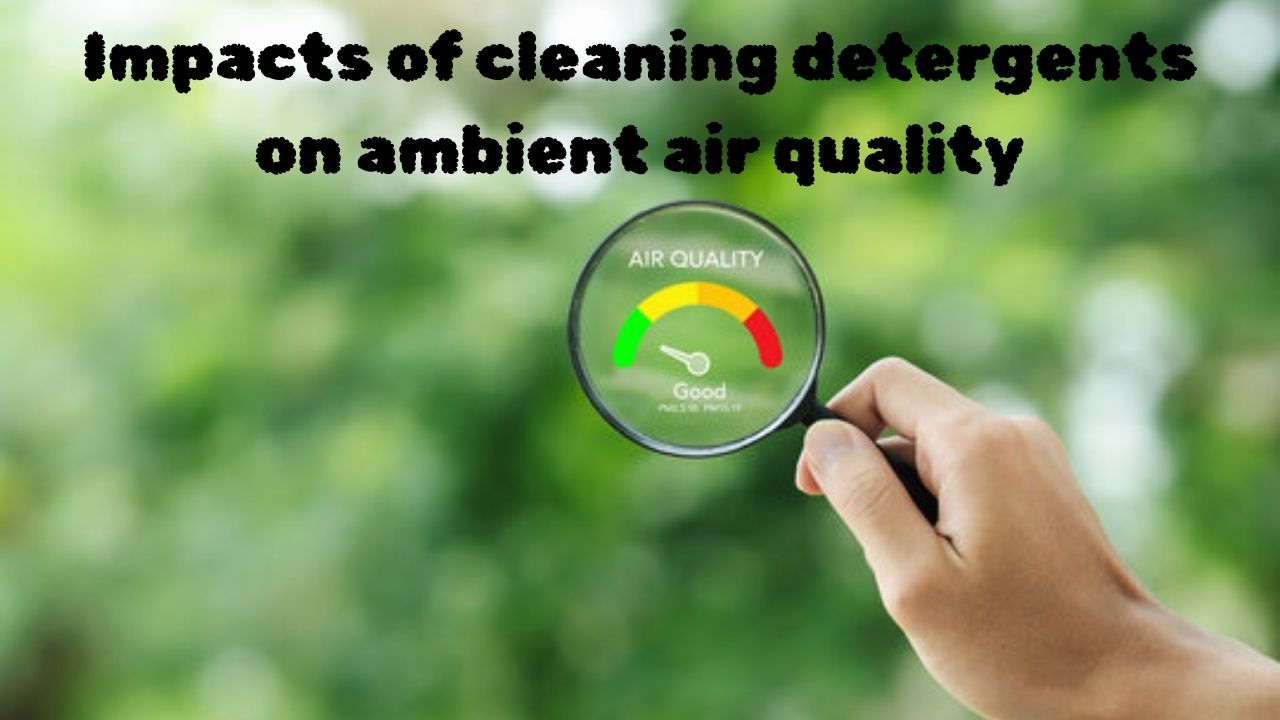
Cleaning detergents pollute the air when their fumes are released into the air. These fumes can escape not only when cleaning but also when the bottle is closed. They make the air heavy indoors and can contribute to smog outside. Since we use these things every day, small amounts of them are constantly being released into the air. Simply put, even the smell of detergents can pollute the air.
Health Effects Linked to Poor Air Quality From Cleaning Detergents
The foul air from cleaning detergents can have a negative impact on the body both immediately and over time. These effects are especially visible in children, the elderly, and those with respiratory problems.
Immediate Effects
- Respiratory irritation: Coughing, shortness of breath, asthma attacks
- Headache and nausea: Due to strong odors and chemicals
- Eye irritation: Burning or watery eyes
- Fatigue: Feeling heavy and weak
Long-Term Effects
- Chronic respiratory diseases: Asthma and lung problems
- Cancer risk: Some chemicals can be harmful over time
- Hormonal disruption: Fragrances can affect the body’s systems
- Heart problems: Dirty air can increase heart disease
Secondary Air Pollutants Formed After Detergent Use
When using cleaning detergents, no problem disappears. New harms were encountered along with other things in the gases emitted from them. For example, the smell of detergents when it is due to the ozone present there is more foul. These particles are not visible but are not in the body. That is why something happened in the house even after cleaning.
Contribution of Cleaning Detergents to Outdoor Air Pollution
Cleaning detergents pollute not only the air in your home, but also the air outside. The fumes from sprays, fragrances, and chemicals can be released into the air outside, creating ozone and small particles that can have a similar effect to smoke or smog. Chemicals like ammonia and chlorine also form dangerous compounds that are harmful to breathing and health. In urban areas, they can be as harmful as vehicle exhaust.
Release of Volatile Organic Compounds During Cleaning

When we use cleaning products, they release chemical fumes called volatile organic compounds (VOCs). These fumes irritate the eyes, nose and throat, cause headaches and can cause asthma or other health problems if inhaled repeatedly. Sprays, detergents and perfumed products are high in these chemicals. It is important to open windows, run fans and use low-VOC or fragrance-free products.
Long-Term Exposure Risks to Indoor Ambient Air Quality
Prolonged exposure to poor indoor air quality increases the risk of many diseases. This effect is most pronounced in children, the elderly, and people with pre-existing health conditions.
Long-Term Exposure
- Respiratory Diseases: Increased risk of asthma, allergies, bronchitis, COPD, and infections
- Heart Disease: Increased risk of heart disease, stroke, and heart attack
- Cancer: Increased risk of lung and other organ cancers
- Mental Effects: Negative impact on memory and thinking ability, can affect children’s mental development
- Reproductive and reproductive problems: Risk of low birth weight and premature birth in pregnant women
Major Indoor Pollutants & Sources
- Particulate Matter (PM2.5): Particles from cooking, cigarettes, candles, outdoor air
- Volatile Organic Compounds (VOCs): Gases from cleaning products, paint, furniture
- Combustion Byproducts: Chemicals from gas stoves, kerosene heaters, wood stoves
- Biological Agents: Mold, dust mites, pet dander
- Tobacco Smoke: PM2.5 and cancer-causing substances are released
Conclusion
The impacts of cleaning detergents on ambient air quality are more serious than most people realize. From releasing harmful VOCs to creating secondary pollutants, these everyday products can affect both indoor and outdoor air, triggering health issues like asthma, allergies, and long-term respiratory or cardiovascular problems.
Being aware of the chemicals you use and choosing safer, low-VOC or eco-friendly alternatives can make a big difference. Take action today: improve ventilation, read product labels, and switch to cleaner detergents to protect your health and the air you breathe.