
Climate change is having a devastating impact on sports in the 21st century. Rising temperatures, polluted air, and changing weather have become a health risk for athletes. Extreme heat can cause heatstroke and respiratory problems, making it difficult to play. These effects are affecting athletes of all ages.
In addition, many matches are not held on time and sometimes have to be canceled. Sports such as football, tennis, and the Olympics are also being affected, as are cold-weather sports such as skiing. That is why organizations are now adopting indoor stadiums, flexible schedules, and environmentally friendly measures to keep the games safe.
How Climate Change Is Disrupting Sports in the 21st Century
Climate change is slowly destroying the sports system in the 21st century. Extreme heat and sudden bad weather have become a threat to athletes. Sometimes intense sun, sometimes heavy rain, stop the game. This not only damages the fields but also causes matches to be canceled. Some sports, such as skiing, are close to extinction due to lack of snow. Thus, the future of sports is also at risk.
The Real-World Impact of Climate Change on Athletes, Events, and Fans
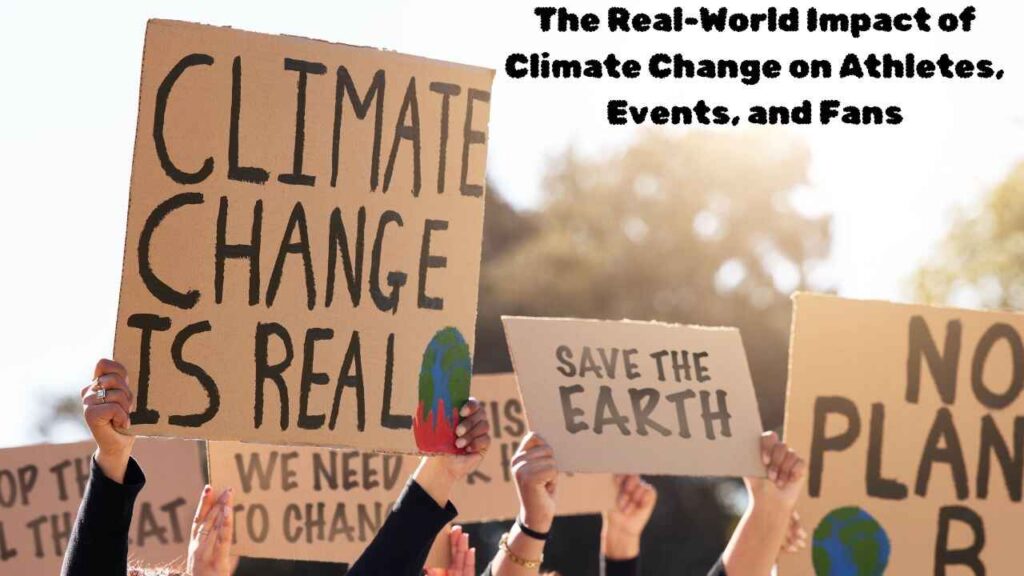
The impact of climate change is now clearly visible in the world of sports. It is affecting athletes, sports competitions, and fans alike. Heat, bad weather, and environmental degradation are making the game more difficult.
Impact on Athletes
- Health Risks: Heatstroke and respiratory problems can occur due to excessive heat
- Performance: Athletes become fatigued in extreme weather
- Training Disruptions: Practice times have to be changed due to heat or rain
- Mental Health: Constant worry puts athletes under mental stress
Impact on Events
- Cancellations and Postponements: Matches are postponed due to bad weather
- Venue Vulnerability: Venues can be damaged by flooding or storms
- Operational Changes: Match times have to be changed
- Long-term Viability: Some sports may not be possible in the future
Impact on Fans
- Disrupted Experience: Fans face delays and difficulties
- Increased Costs: Tickets and facilities become expensive
- Reduced Participation: Children and the general public are moving away from sports
How Sports Organizations Are Responding to Climate Change in the 21st Century
In the 21st century, sports organizations are taking climate change seriously. Many organizations are building eco-friendly stadiums that use less energy. Match times are being adjusted to suit the heat to keep players safe. Some organizations are also running tree planting and carbon reduction projects. In addition, athletes are being educated so that they can play their part in protecting the environment.
The Nexus between Climate Change and Outdoor Sports Activities
Climate change and outdoor sports are closely linked. Extreme heat affects both the strength and health of athletes. Snow is decreasing in cold regions, limiting sports such as skiing. Rain, storms, and bad weather can put a stop to sports. That is why sports times are being changed and new technology is being used. At the same time, it has become necessary to make sports environmentally friendly.
Health Impacts on Outdoor Sports Activities
Outdoor sports are very beneficial for health because open air, sunshine, and movement strengthen the body. They keep the heart healthy, reduce stress, and improve immunity. But there are also some risks. Polluted air, excessive heat or cold, and allergies can make players sick. That’s why it’s very important to check the weather and air conditions and drink water before playing.
Benchmarking and Parameters for Safe Playing Conditions

Benchmarking is essential for player safety and a safe sports environment. It means assessing the safety standards of various sports venues and institutions and taking steps to improve them. This process helps to protect players, reduce accidents, and improve the quality of the game.
Benchmarking Process for Safe Playing Conditions
- Plan: Identify dangerous or sensitive areas of the game
- Collect: Gather data on accidents and hazards
- Analyze: Compare your data with other organizations
- Adapt/Implement: Implement safety measures based on lessons learned
- Review: Monitor new measures and make necessary changes
Key Parameters and Metrics
- Injury and Incident Rates: Rates of accidents and injuries that occur during play
- Compliance with Regulations: Adherence to legal and safety standards
- Emergency Preparedness: Preparedness to respond to emergency situations
- Physical and Physiological Metrics: Assess the physical condition and capacity of players
- Facility and Equipment Safety: Safety of stadiums and equipment
- Safety Culture: Safety awareness and adherence to protocols among staff and players
How to Lower the Carbon Footprint of Sports?
There are several simple steps that can be taken to reduce the carbon footprint of sports. Athletes and fans should use public transport or carpool to travel. Stadiums and arenas should be powered by solar or wind power. Save energy in lighting and equipment, recycle and avoid single-use plastics. Provide local and plant-based foods and use eco-friendly sports equipment. Also, educate everyone about protecting the environment.
Conclusion
Climate change and sports in the 21st century are now deeply connected, affecting athletes, events, and fans worldwide. Rising temperatures, extreme weather, and environmental challenges are reshaping how we play, watch, and organize sports.
To protect the future of games and ensure athlete safety, it’s crucial for organizations and fans to adopt sustainable practices, reduce carbon footprints, and promote climate awareness. Act now—support eco-friendly sports initiatives, make greener choices, and help preserve the spirit of sports for generations to come.