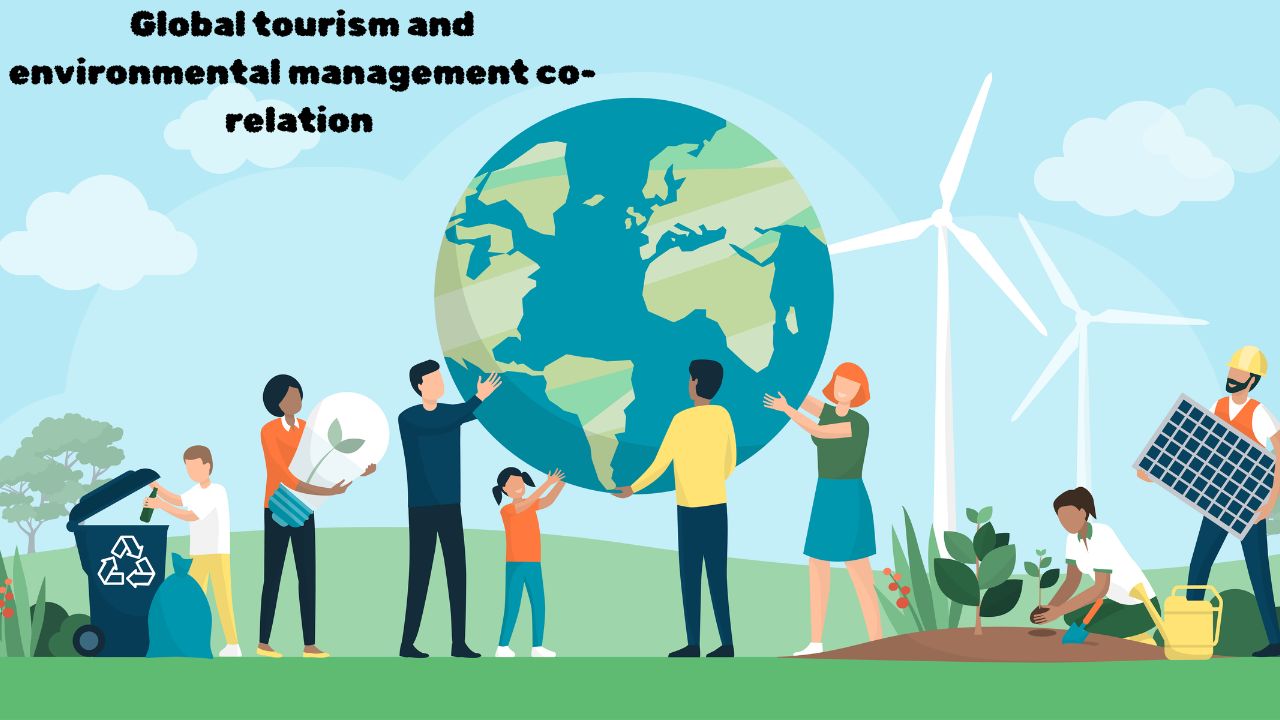
Global tourism and environmental management are deeply intertwined. Tourism impacts people, but it also impacts the environment. If we do not take care of our natural resources and environment, a tourist destination can quickly deteriorate.
That is why effective management is so important. It not only conserves energy but also makes it sustainable and enjoyable. The beauty and appeal of every tourist destination is based on this.
How does tourism harm the environment?
Tourism damages the environment in many ways. Air, water and noise pollution, as well as waste, increase. Excessive use of water, energy and land puts pressure on the environment. Deforestation, coastal development and disturbance of wildlife damage biodiversity. Travel increases carbon emissions, which in turn degrades the environment in sensitive areas and affects natural beauty.
How does tourism contribute to environmental awareness?
Tourism brings people closer to nature, which makes them understand the importance of the environment. When people see mountains, forests or the sea, they feel a sense of protection. Tourist fees protect natural places and provide employment to local people. In this way, people are attracted to protecting the environment and learn clean habits instead of cutting down or damaging trees.
Positive and Negative Impacts of Global Tourism on the Environment
Global tourism has both positive and negative impacts on the environment. If tourism is managed wisely, nature is preserved, otherwise the damage increases rapidly.
Negative Impacts
- Pollution: Vehicles and ships pollute the air, increase noise, and waste pollutes land and water.
- Resource Depletion: Tourists use more water, electricity, and food, which creates shortages.
- Habitat Loss & Degradation: Building hotels and roads cuts down forests and destroys animal homes.
- Carbon Emissions: Travel, especially by plane, increases harmful gases in the atmosphere.
- Ecosystem Stress: Overcrowding affects animal life and natural systems.
Positive Impacts
- Funding Conservation: Revenue from tourism helps preserve natural places.
- Increased Awareness: People learn to value nature by seeing it up close.
- Sustainable Practices: Ecotourism promotes environmentally friendly practices.
- Habitat Restoration: Some projects work on planting trees and purifying water.
- Economic Incentive for Preservation: When nature benefits, local people protect it from harm.
Strategies for Effective Environmental Management in Tourism
Proper planning is essential for effective environmental management in tourism. Laws should be strong, local people should be involved, and water and electricity should be used wisely. Reducing waste and promoting eco-friendly travel and accommodation are also important. When tourists are made aware of the importance of the environment, nature is preserved and tourism benefits in the long term.
Role of Global Policies and Organizations

Global policies and organizations play a key role in balancing the environment. These countries are the ones who are talking about what it means to be environmentally friendly. The rules of the game and the protection of natural sites from suspicious projects. When countries all work together, you are safer and tourism also moves forward in a better way.
Conclusion
Finally, Global tourism and environmental management co-relation teaches us that tourism and environment are interconnected. If the environment is protected, tourism will also thrive. Now is the time for us to be responsible tourists, take care of nature, and support environmentally friendly decisions. Take small steps today so that future generations can also see the beauty of nature.