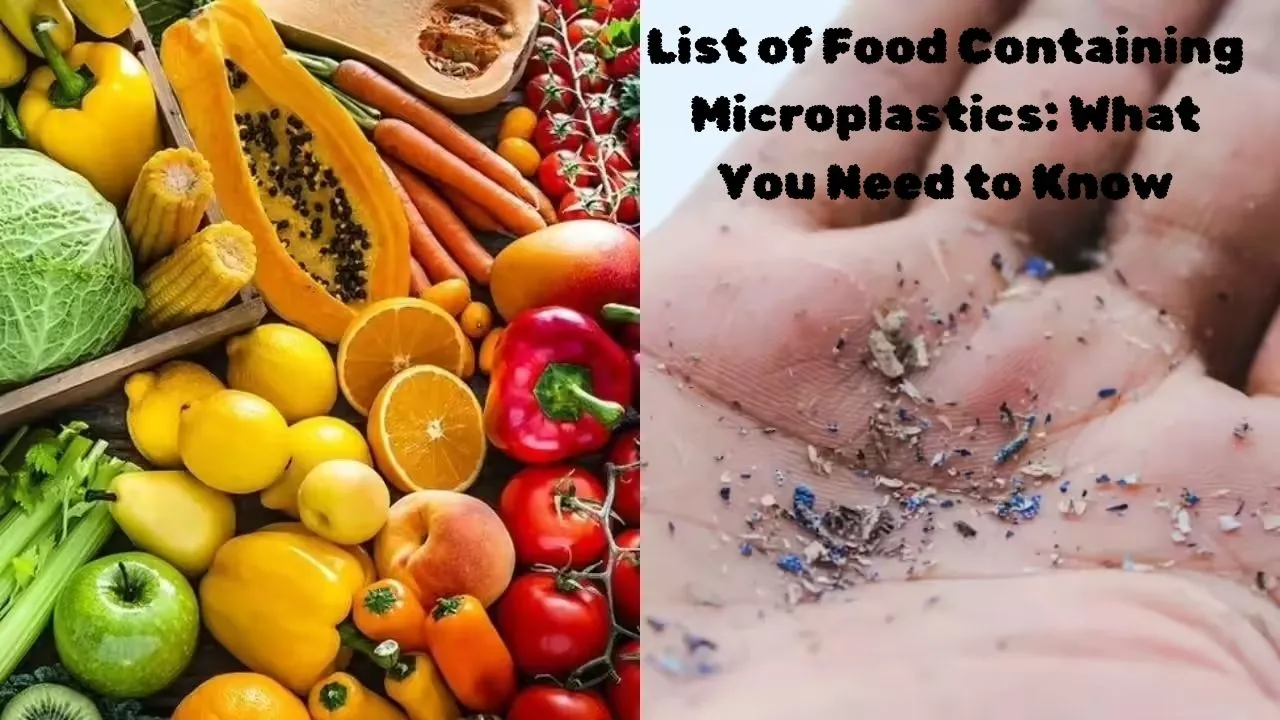
The list of foods containing microplastics includes foods that contain tiny plastic particles. Microplastics can leach into water, soil, and air. These tiny particles of food can be absorbed during packaging. This list shows people where microplastics may be present.
You are eating microplastics every day, and you don’t even know it. Seafood, salt, and bottled water are among them. They look small but can enter the body. Knowing where microplastics are is essential for health.
This guide explains the list of microplastics. It includes seafood, drinks, salt, and processed foods. You will also learn how you should eat them. Finally, it will also tell you how to protect yourself from microplastics.
Understanding Microplastics in Food
Microplastics in food are very small pieces of plastic. They are smaller than five millimeters. They can enter food through water, soil, packaging and air. Seafood, salt, honey, bottled water and some fruits and vegetables are affected by them.
Microplastics can be harmful to health if they enter the body. They can damage the liver, lungs and kidneys. They can disrupt hormones and increase the risk of some diseases. Filtering water, using less plastic and not using plastic utensils can reduce the risk.
List of Food Containing Microplastics
Seafood
Microplastics are common in seafood. Fish, shrimp, and oysters ingest tiny plastic particles in the water. These particles can also enter the human body when we eat seafood. Marine animals with high levels of microplastics can be harmful to health. It is best to buy fresh and clean seafood to improve health.
Sea Salt
Microplastics can also be found in sea salt. When the water dries, tiny plastic particles are left in the salt. These particles can enter the human body when we consume salt. Salts high in microplastics can be harmful to health. Using clean, less processed salt is a better way to stay safe.
Bottled Water
Bottled water may contain microplastics. These tiny particles are added to the water through the plastic bottle and cap. When we drink this water, these particles can enter the body. Water with high levels of microplastics can be harmful to health. It is better and safer to use clean tap water or filtered water.
Honey and Sugar
Honey and sugar may contain microplastics. These particles enter food through the air, mechanical processing, or packaging. These particles can enter the body when we consume honey or sugar. Honey and sugar with high levels of microplastics may be harmful to health. It is a better way to stay safe by consuming clean and minimally processed products.
Beer and Other Beverages
Beer and other beverages can also contain microplastics. Small plastic particles get into the drinks during water, packaging, and processing. When we drink these beverages, these particles can enter our bodies. Beverages high in microplastics can be harmful to our health. Choosing clean, low-plastic beverages is a better way to stay safe.
Fruits and Vegetables
Fruits and vegetables can contain microplastics. These particles can get into food from soil, water, or packaging. When we eat these fruits and vegetables, they can enter our bodies. Fruits and vegetables with high levels of microplastics can be harmful to our health. Eating clean and washed foods is a better way to stay safe.
Processed Foods
Processed foods may contain microplastics. These particles are introduced into food during packaging or processing. When we eat these foods, they can enter our bodies. Processed foods with high levels of microplastics can be harmful to our health. Eating fresh, less packaged foods is a better way to stay safe.
How to Reduce Microplastic Exposure in Your Diet
Use glass or metal bottles instead of plastic. Do not heat food in plastic, use glass or ceramic containers. Eat fresh and unpackaged foods. Choose loose-leaf tea. Use wooden or metal utensils in the kitchen. Eat less seafood.
Filter clean tap water. Use paper or large-volume packaged food. These measures help reduce plastic particles from food, water, and packaging. This reduces the risk of microplastics entering the body.
How plastic enters the food chain
Plastic enters the food chain in the form of tiny particles (microplastics). These particles are eaten by the smallest organisms and then reach small fish. Small fish eat larger fish and finally reach humans. This process is called trophic transfer and the plastic accumulates in the body.
Plastic also enters the food chain directly through food. This plastic can also be included in the soil, water, and food products. Plastic remains in the bodies of living organisms and also carries toxic substances with it. This can have harmful effects on health.
Harmful effects of microplastic pollution on human health
Microplastics enter the human body and cause inflammation. These particles can cause oxidative stress and DNA damage. This can lead to respiratory problems, gastrointestinal disorders, heart disease, and diseases such as obesity or diabetes.
These particles enter the body through food, water, air, or skin. They accumulate in the brain, liver, and kidneys. They can affect the body’s immune system and, in some cases, can even carry toxins or germs. Nanoplastics are particularly dangerous because they can cross body barriers.
Solutions to the plastic crisis
To solve the plastic crisis, it is necessary to reduce production. Especially limit single-use plastics. Use reusable and refillable alternatives instead of plastic. Improve waste management and recycling systems.
Make producers responsible and enforce strict laws. International laws such as the Global Plastics Treaty are necessary. Individuals should also use less plastic, avoid disposable items, and buy products in bulk or refilled. All these measures together help to reduce the crisis.
Conclusion
The list of foods containing microplastics shows us that small plastic particles can be present in our daily diet. These include seafood, salt, bottled water, honey, drinks, fruits, vegetables and processed foods. These particles can accumulate in the body and cause health problems such as inflammation, heart and kidney problems, and hormone disruption.
To prevent microplastics, it is important to drink clean water, use less plastic, eat fresh and less packaged foods, and use safe kitchen utensils. Reducing production, adopting reusable alternatives and enforcing strict laws are helpful in solving the plastic crisis. These measures play an important role in reducing the risks and protecting health, including the list of foods containing microplastics.