
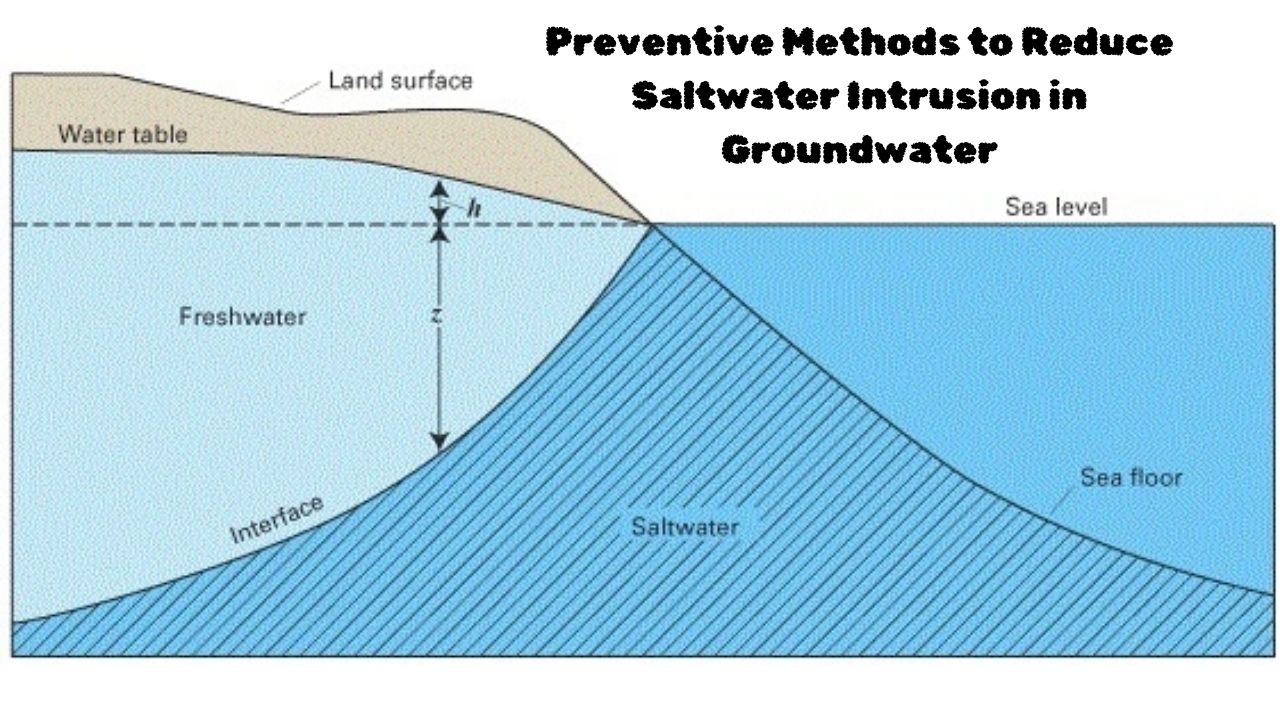
Preventive methods that reduce water intrusion into groundwater are simple ways to prevent seawater intrusion into freshwater. They protect your wells, improve the water quality, and protect the shoreline from saltwater intrusion. They act as a shield to protect freshwater.
Imagine if you were near the coast and your tap water was salty. This is a small change that is progressing if no protection is taken. You force people to pay attention.
Preventive methods that reduce water intrusion into groundwater include reducing pumping, using recharge systems, and better planning. These methods slow down the movement of seawater. This keeps groundwater safe for you and the future.
Why Preventive Methods to Reduce Saltwater Intrusion in Groundwater Matter
Methods to prevent saltwater intrusion into groundwater are very important because they protect freshwater. When people in coastal areas extract too much water, the water table drops and the salty water from the ocean moves forward. This movement erodes freshwater reserves and damages drinking water. Children, adults, and crops all feel the effects of this damage.
When freshwater reserves are clean and strong, people stay healthy, and cities run better. When saltwater moves forward, neither the land remains usable nor the water in wells is safe. Prevention methods reduce this problem and eliminate the risk of water shortages in the future. These methods become a strong support for the environment, people, and the economy.
Most Effective Preventive Methods to Reduce Saltwater Intrusion in Groundwater
Effective methods prevent saltwater from entering freshwater. These methods protect coastal waters and provide a strong foundation for the future.
- Reduce groundwater pumping
- Recharge aquifers
- Install freshwater injection barriers
- Build underground barriers
- Increase surface water reserves
- Use efficient irrigation systems
- Improve coastal planning
- Check groundwater levels and salinity
- Restore coastal ecosystems
- Promote water conservation habits
Engineering Solutions to Prevent Saltwater Migration
Engineering solutions prevent the movement of salt water. These solutions strengthen the pressure of freshwater and prevent the advance of seawater.
Physical Barriers
- Cut-off walls and slurry walls
- Grout curtains
- Subsurface dams
- Tidal hydraulic structures
Hydraulic Barriers
- Freshwater injection wells
- Abstraction wells
- Surface water recharge
- Groundwater circulation wells
Combined and Innovative Approaches
- Mixed barriers
- ADR systems
- Compressed air barriers
Natural and Land-Use Approaches to Reduce Saltwater Intrusion
Natural and land-use practices reduce saltwater intrusion because they recharge groundwater. Ponds, rainwater harvesting, and efficient irrigation strengthen freshwater. Salt-tolerant crops and mangroves in coastal areas provide better support for water systems.
Better land use helps maintain freshwater pressure. Subsurface dams and cutoff walls block the passage of saltwater. Pumping reduces water use, which helps maintain water tables. These practices protect coastal areas and create better water storage for the future.
Managing Groundwater Extraction to Prevent Intrusion
Managing groundwater depletion is essential to prevent saltwater intrusion. Reducing pumping and setting limits maintain freshwater pressure. Artificial recharge adds water back into the aquifer and keeps water reserves strong.
Subsurface barriers and injection/extraction wells control water movement. Properly sited wells and water monitoring prevent freshwater loss. These practices maintain water balance in coastal areas and secure water for the future.
Final Thoughts
Preventive Methods to Reduce Saltwater Intrusion in Groundwater: A Complete Guide shows that it is important to conserve freshwater. Excessive extraction of water in coastal areas pushes seawater forward. These methods emphasize reducing pumping, adding water back to the aquifer, and building barriers. Earth and natural methods also strengthen water pressure. Ponds, rainwater harvesting, and effective irrigation increase freshwater.
These methods benefit the environment, people, and the economy. Freshwater remains clean and safe. Subsurface barriers and injection wells control water movement. Monitoring and planning keep water storage strong. This Preventive Methods to Reduce Saltwater Intrusion in Groundwater: A Complete Guide protects against future water shortages.